
Safe Sex Conversations: Your Guide to Protection & Contraception Options
April 2026
We’ve been busy delivering education sessions on STIs and Contraception options to groups of young people and local services across the Illawarra and Shoalhaven region on the South Coast of NSW.
A question we often get asked is what’s the difference between protection and contraception?
So, we’re here to answer this question here on our blog.
Protection vs. Contraception
Here's the distinction that actually matters. Protection methods prevent both STIs and pregnancy. Contraception prevents pregnancy only and has nothing to do with STIs. Both are important.
Some people need only protection while some people need both protection and contraception (if they are having sex that can result in unplanned pregnancy).
Protection Methods (Barrier Methods)
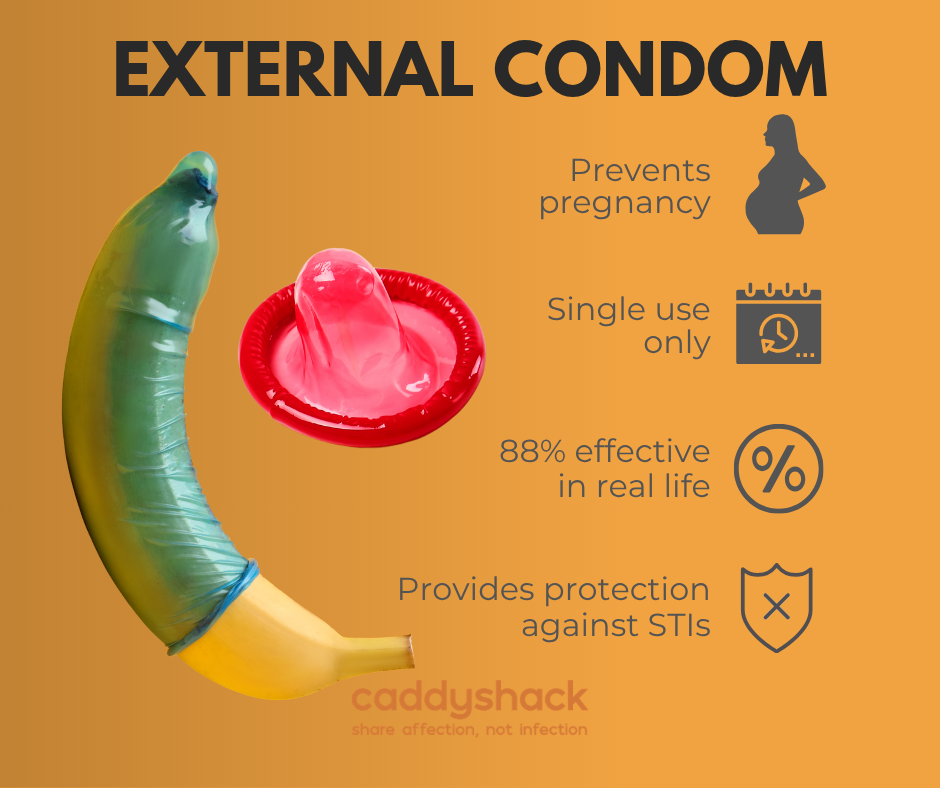
Ahh, the great multitasker.
When used correctly external condoms are the most effective at preventing pregnancy and protecting against STIs during penetrative or oral sex.
Hot tip - use water-based lube to reduce breakage risk and increase pleasure.
Did you know that condoms have expiry dates? Learn more about how to use a condom on Play Safe website.
Outside our region? Check out FreedomCondom.org.au
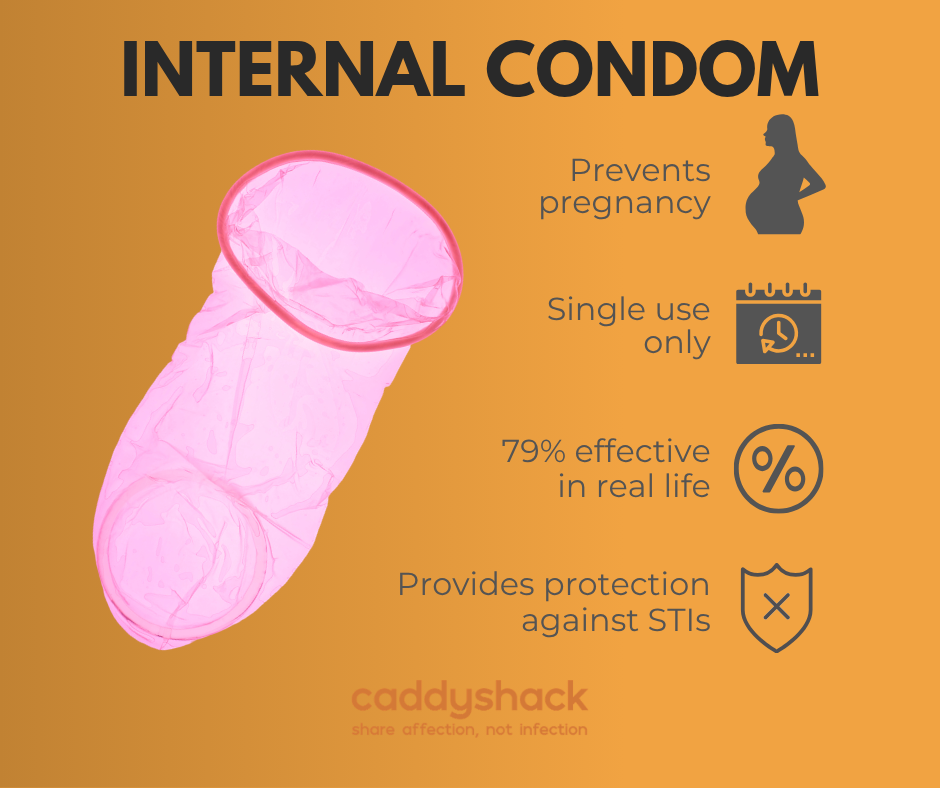
The Internal Condom is inserted into the vagina or anus before sex.
Much like the external condom, internal condoms protect against STIs and unplanned pregnancy and have many benefits.
Learn more about internal condoms, their advantages, how to use them and where to find them on Family Planning Australia website.
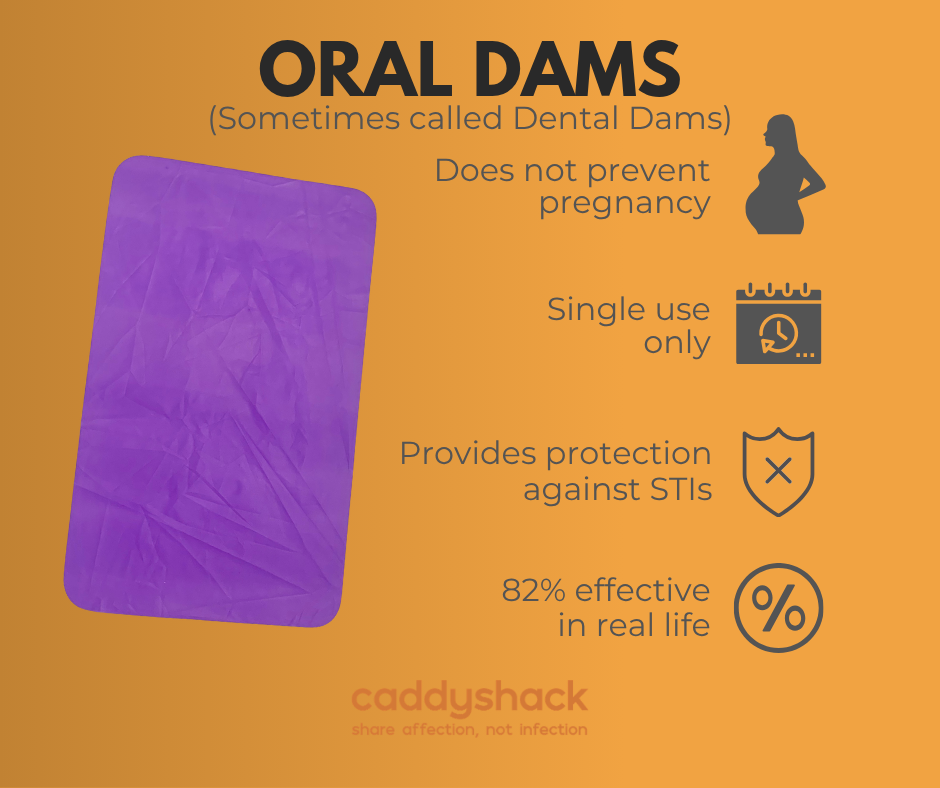
Oral dams are a thin latex sheet placed over the vulva or anus during oral sex to protect against STIs including herpes and HPV.
Learn more how to use them, where to buy them and how to make your own using a condom on the Play Safe website.
Here’s your reminder to get an STI test
Remember: many STIs have zero symptoms. The only way to know is to get an STI test.
As a general guide: test every 3–6 months.
Testing is quick, confidential, and often free.
Find an STI testing location near you.
Contraception Options
Contraception is a method to intentionally prevent unplanned pregnancies through devices or medications.
Contraception methods do not protect against STI’s.
Scroll through the many contraception options available including hormonal and non-hormonal methods, which don’t all work the same way. It is important to consider what works best for you and your partner/s health and lifestyle.
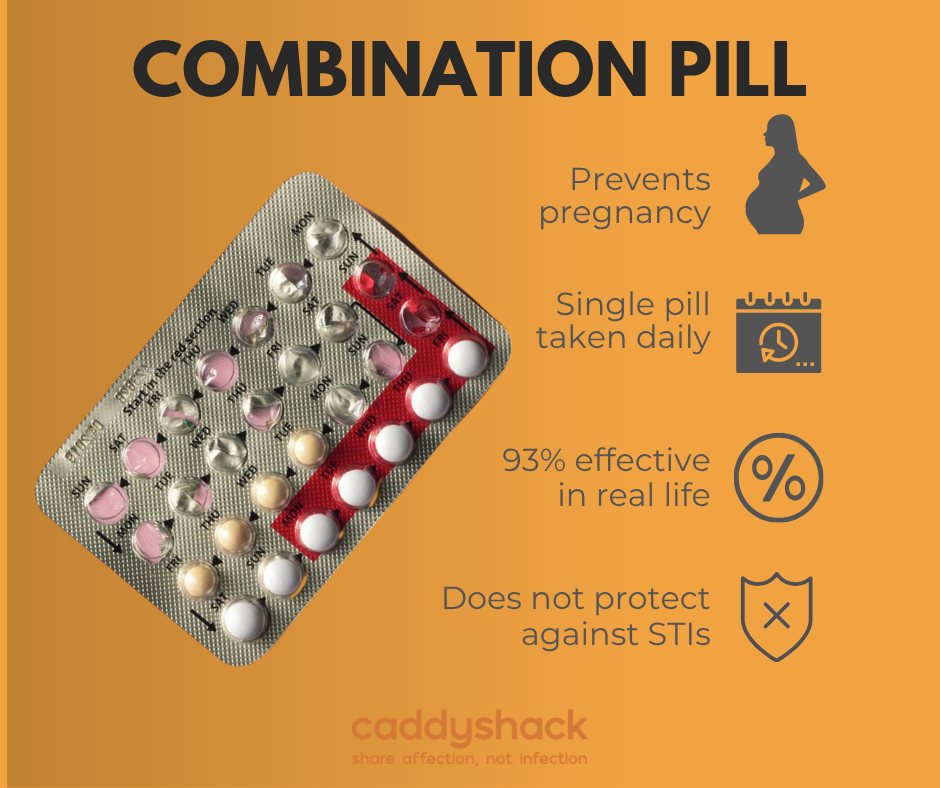
Combination oral contraceptive pills contain hormones called oestrogen and progestogen.
When taken at the same time every day, these pills work to stop ovulation (or the release of an egg) and thicken the mucus in the uterus to prevent sperm from entering.
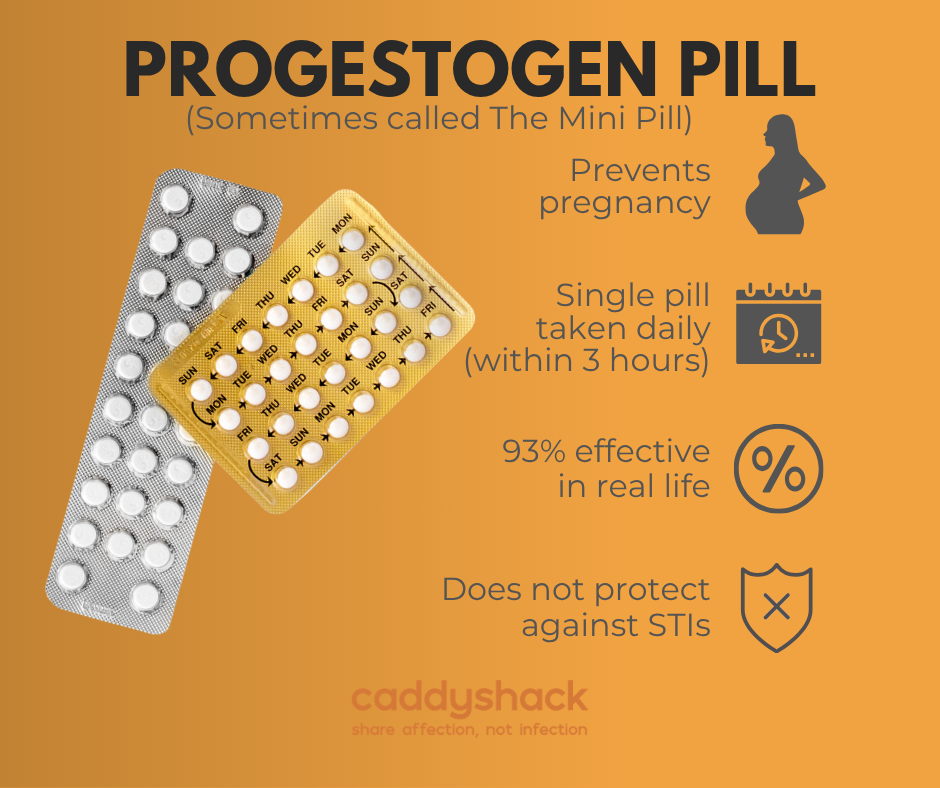
The mini pill has progestogen only and is an alternative to the combination pill.
Both require a prescription so have a chat with your doctor or local sexual health clinic for advice.
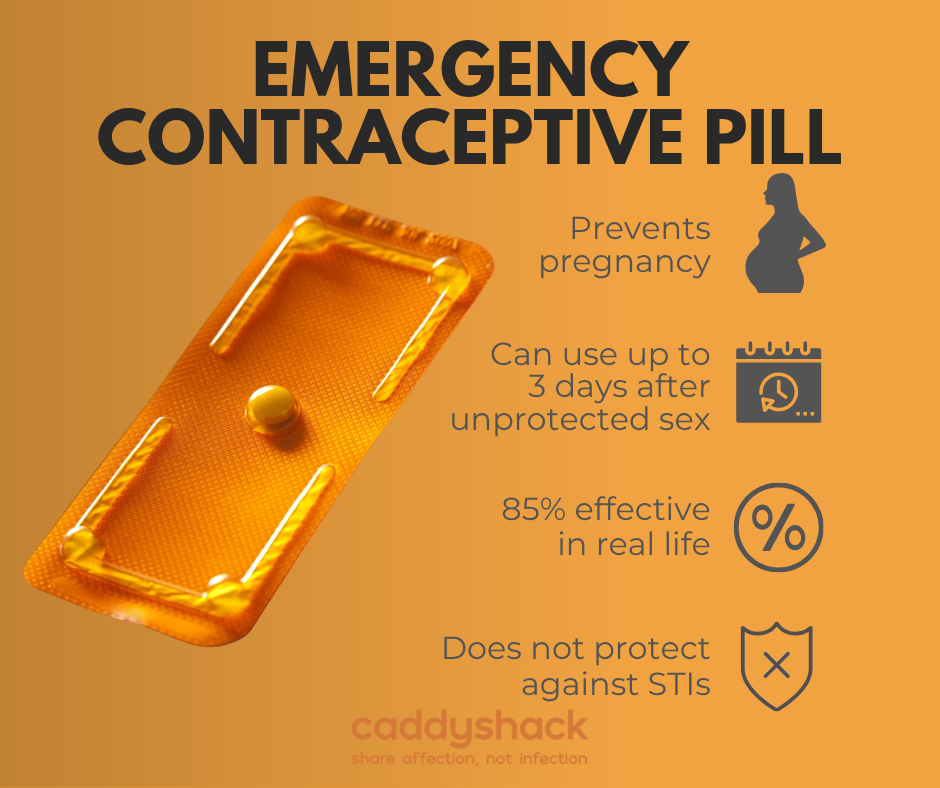
The Emergency contraceptive pill (ECP) is sometimes called the morning-after pill or ‘Plan B’.
It delays ovulation (when the ovary releases an egg) and is most effective within 24 hours but can be taken up to 72 hours after unprotected sex. If it has been longer than that, ask for EllaOne, a type of ECP that can be taken 120hrs/ 5 days after unprotected sex (it’s a little more expensive). ECPs are available from a pharmacist without a prescription. It’s not an abortion pill.
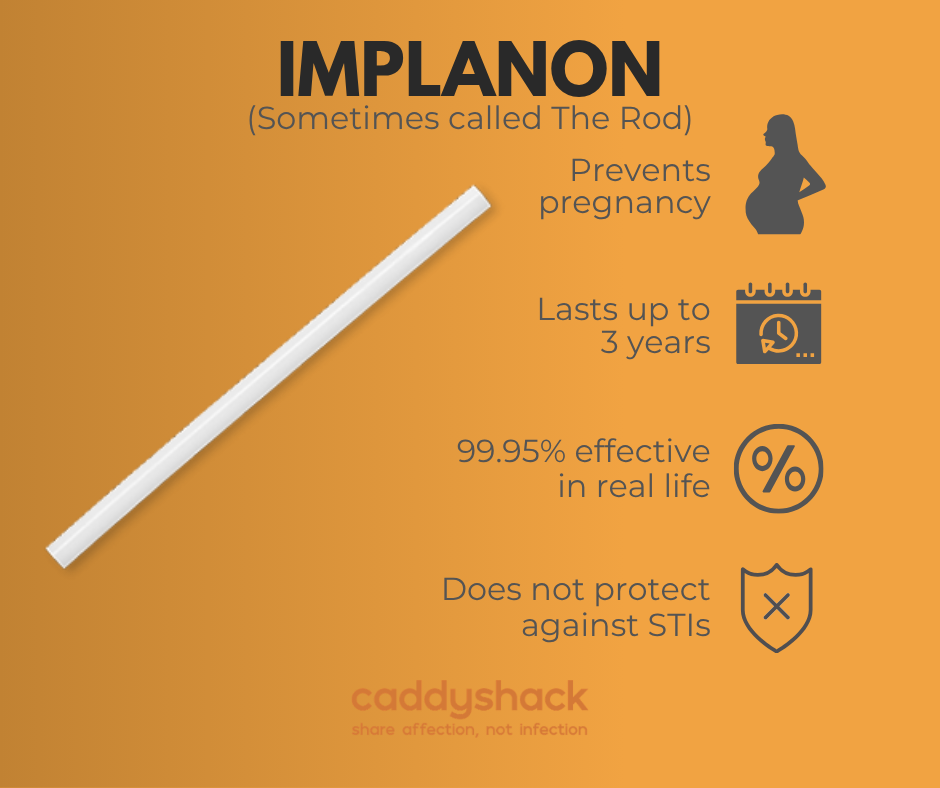
The Implanon is one of the most reliable set-and-forget options out there.
It’s a 4cm flexible rod inserted into your upper arm by a health professional and releases etonogestrel (a type of progestogen hormone) continuously, lasting up to 3 years.
Intrauterine Devices, known as IUDs: There are Hormonal IUDs and Copper IUD options to choose from. Both are T-shaped devices inserted into the uterus by a trained health professional.
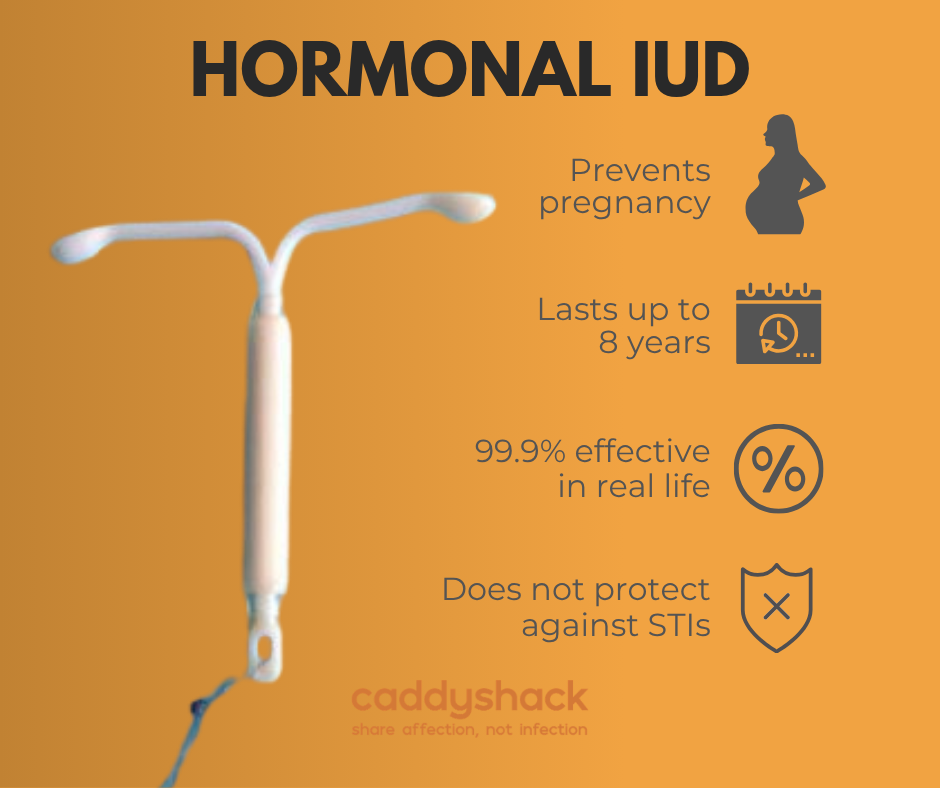
Hormonal Intrauterine Devices (IUD) like Mirena can last up to 8 years and Kyleena can last up to 5 years.
They release the hormone levonorgestrel to thicken the mucus at the entrance of the cervix and thin the lining of the uterus to prevent an egg being fertilised.
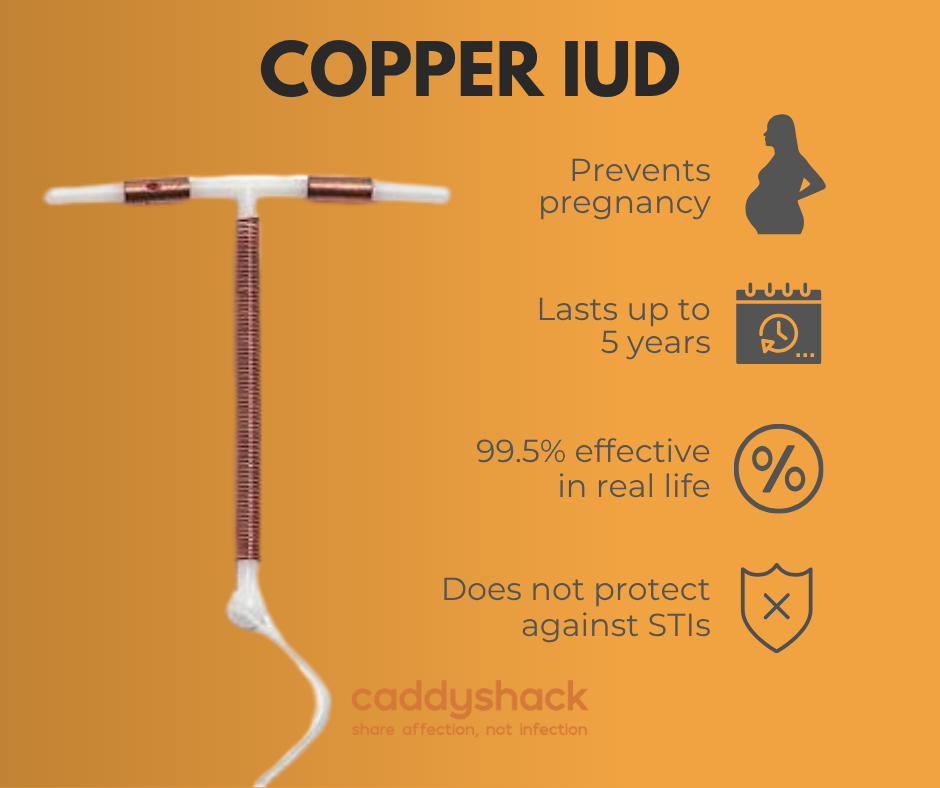
The Copper Intrauterine Device (IUD) is a hormone-free IUD option.
The copper is toxic to sperm and can stay inside the uterus for up to 5 years or 10 years depending on what type is available to you.
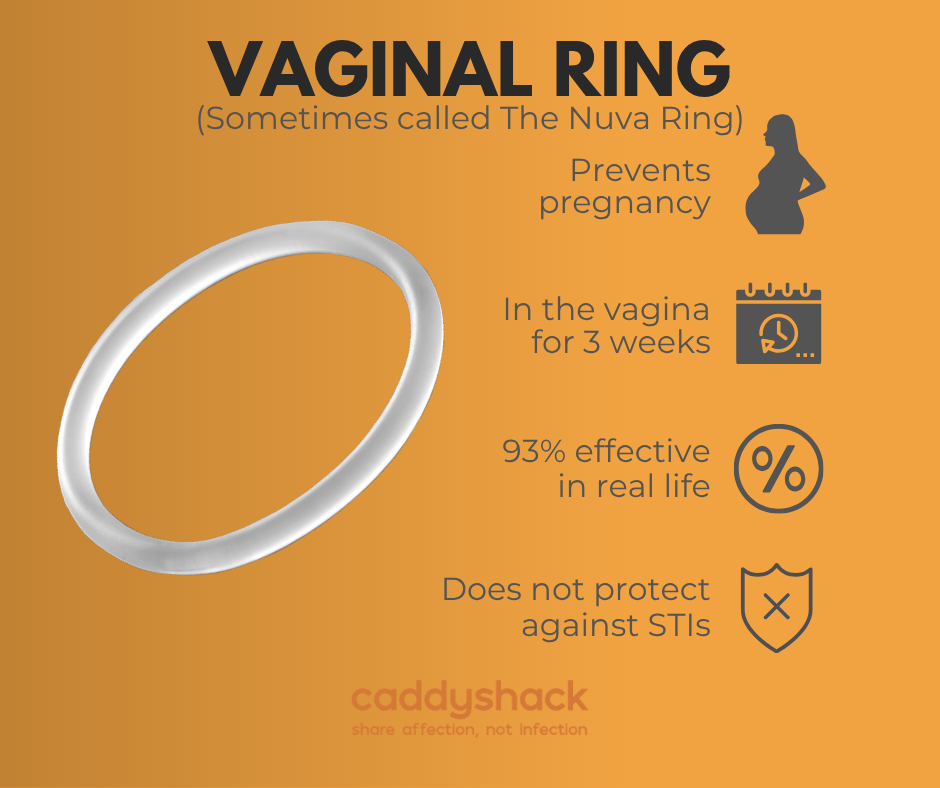
The Vaginal Ring is a flexible plastic ring about 5cm in diameter containing hormones.
It doesn’t require a health professional to insert it into the vagina, the individual can do it themselves. It stays in the vagina for 3 weeks, staying in place during sex, then removed for 1 week where the person will experience a bleed. The Vaginal Ring has recently been added to the Pharmaceutical Benefits Scheme (PBS) for those with a Medicare Card.
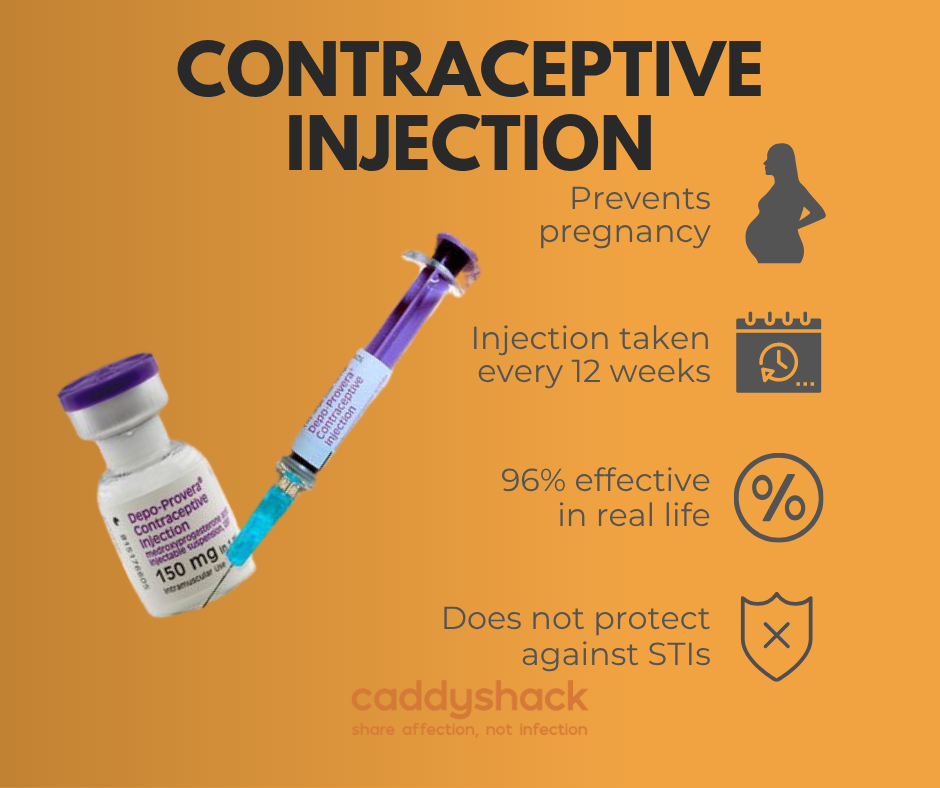
The contraception injection is called DMPA or Depot Injection.
It’s an injection that needs to be administered every 12 weeks/ 3 months by a health professional.
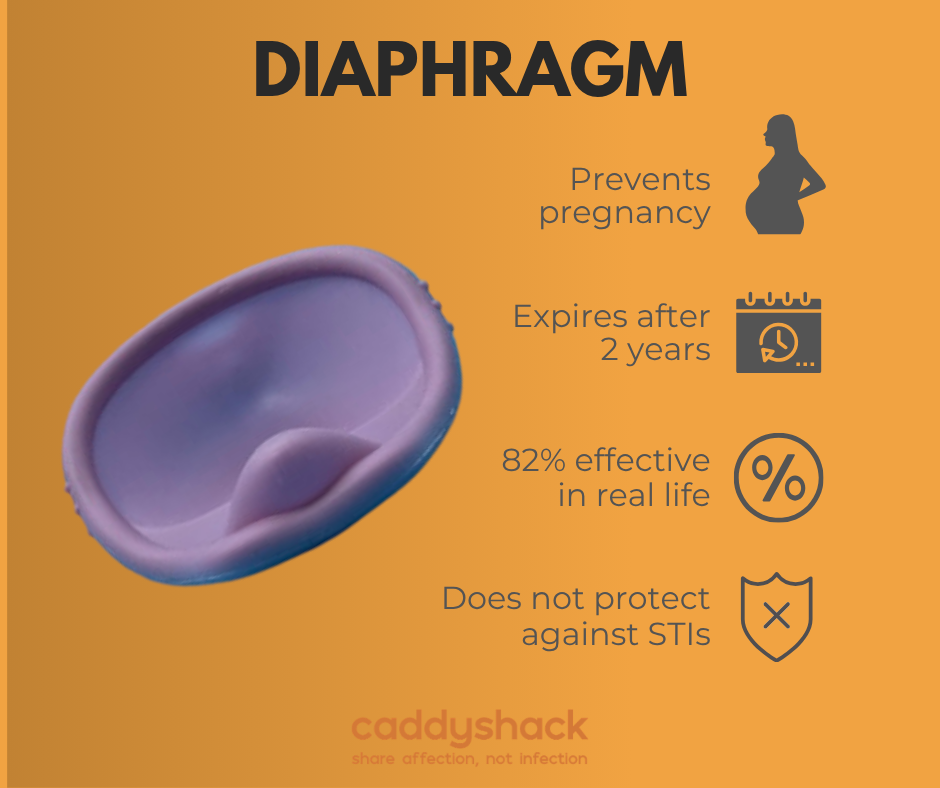
The Diaphragm is a non-hormonal contraceptive method.
It does not need to be inserted by a health professional. It can be reused after cleaning.
Other contraceptive methods include the withdrawal method, fertility awareness methods and sterilisation. Speak to your doctor about the benefits, risks and if these methods are suitable for you.
Getting Contraception
If you are over 15 years old, live in Australia and are a citizen or permanent resident of Australia or a citizen of New Zealand - you can get your own Medicare card.
This means that you can independently make medicals appointments such as a sexual health check-up, chat about your contraception options without having to share one card with family members.
A Medicare card allows you to receive free or low cost health services and can be used at general practices, clinics, public hospitals and pharmacies.
Want to learn more about your choices?
Head to Family Planning’s Contraception Fact Sheets or check out Contraception Choices from Sexual Health Quarters.
Sexual health needs are based on anatomy, not identity. If pregnancy prevention is relevant to you, talk to your doctor. You deserve affirming, respectful care.
ACON is a great starting point for finding inclusive services in NSW.
Final word from the Sexual Health Clinic
The best protection is the one that works for your body, your life, and your relationships.
Got questions?
Visit Play Safe to chat with Nurse Nettie – a free and confidential sexual health advice line run by sexual health nurses.
Talk to your local doctor, check out Family Planning Australia or visit your local sexual health clinic to find what suits you.
Until next time,
Peace, Love & Protection
x