
Getting Down With The Facts
October 2025
We love a mini-series here at Caddyshack Project. Remember our Behind The Couch blog series and What’s On Our Mind Instagram series? Both excellent and worth checking out.
There is a quietly confident mini-series on Instagram we haven’t talked about here on the blog yet. It’s one that really cuts through when it comes to comprehensive sex education on social media.
Getting Down With The Facts
Let’s face it, there is WAY too much miss-information and myths on social media around sex and sexual health. If you want to know our thoughts on that, go back and read our blog post about censorship of sex education content.
Young people often ask us: how do we know what information to trust online? (we also talk about this in our past blog post); and Where do we find accurate sex and sexual health information? It can be overwhelming.
Whether you’re a young person, working with young people, or both, this blog post will point you in all the right directions for trustworthy, reliable and accurate sexual health information.
We have been designing, writing and sharing sex and sexual health content for let’s just say, a long time. Our Getting Down With The Facts series on Instagram is our newest addition to the educational content we produce, and it is only going to grow.
Getting Down With The Facts provides education in a short-form, accessible, digestible format for Instagram users to engage with. It’s an entry point, connecting the audience with recommended sources and services.
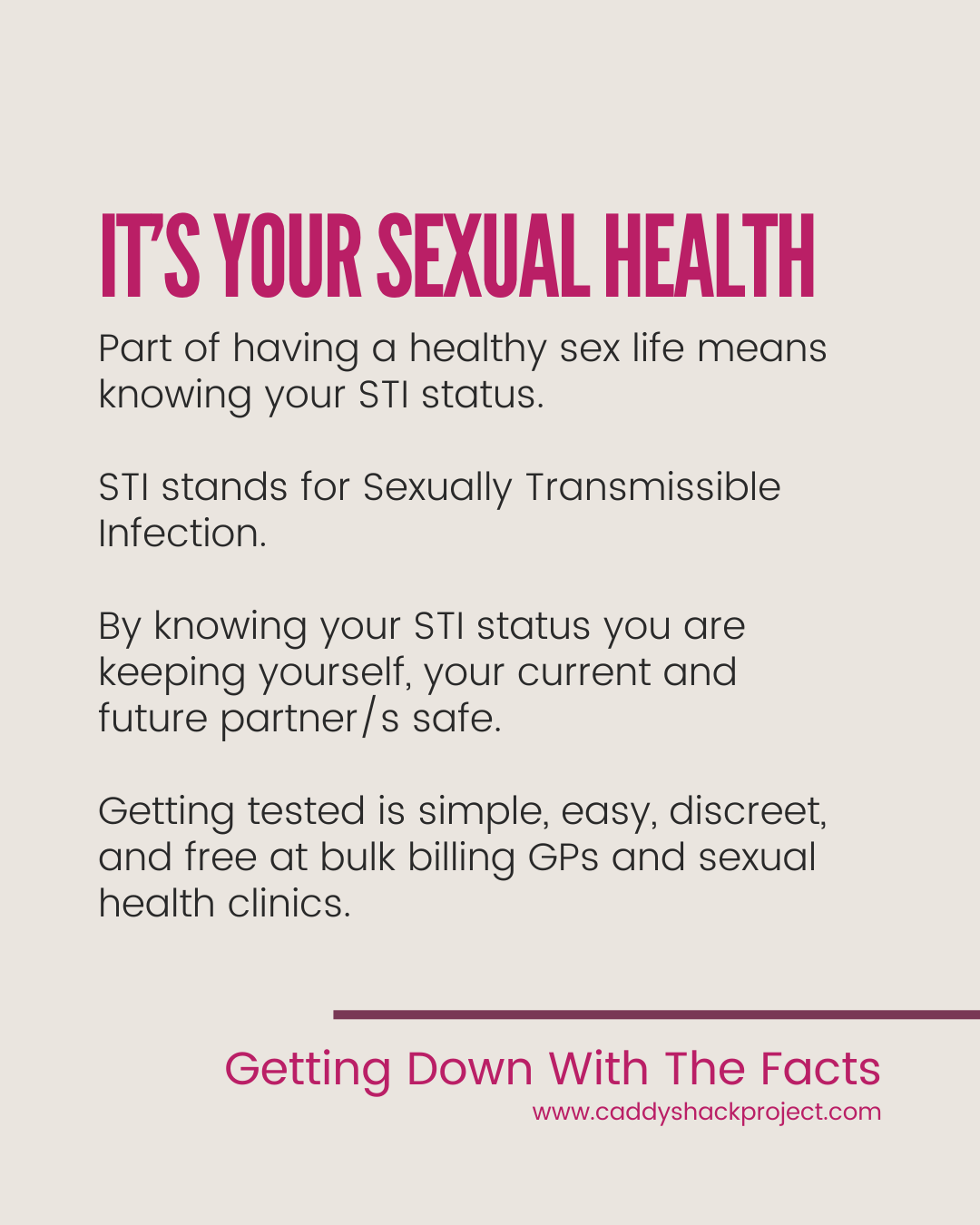
Scrolling back through this series, you’ll notice that we have covered the basics of sexual health;
barrier protection methods (condoms, oral dams, lube)
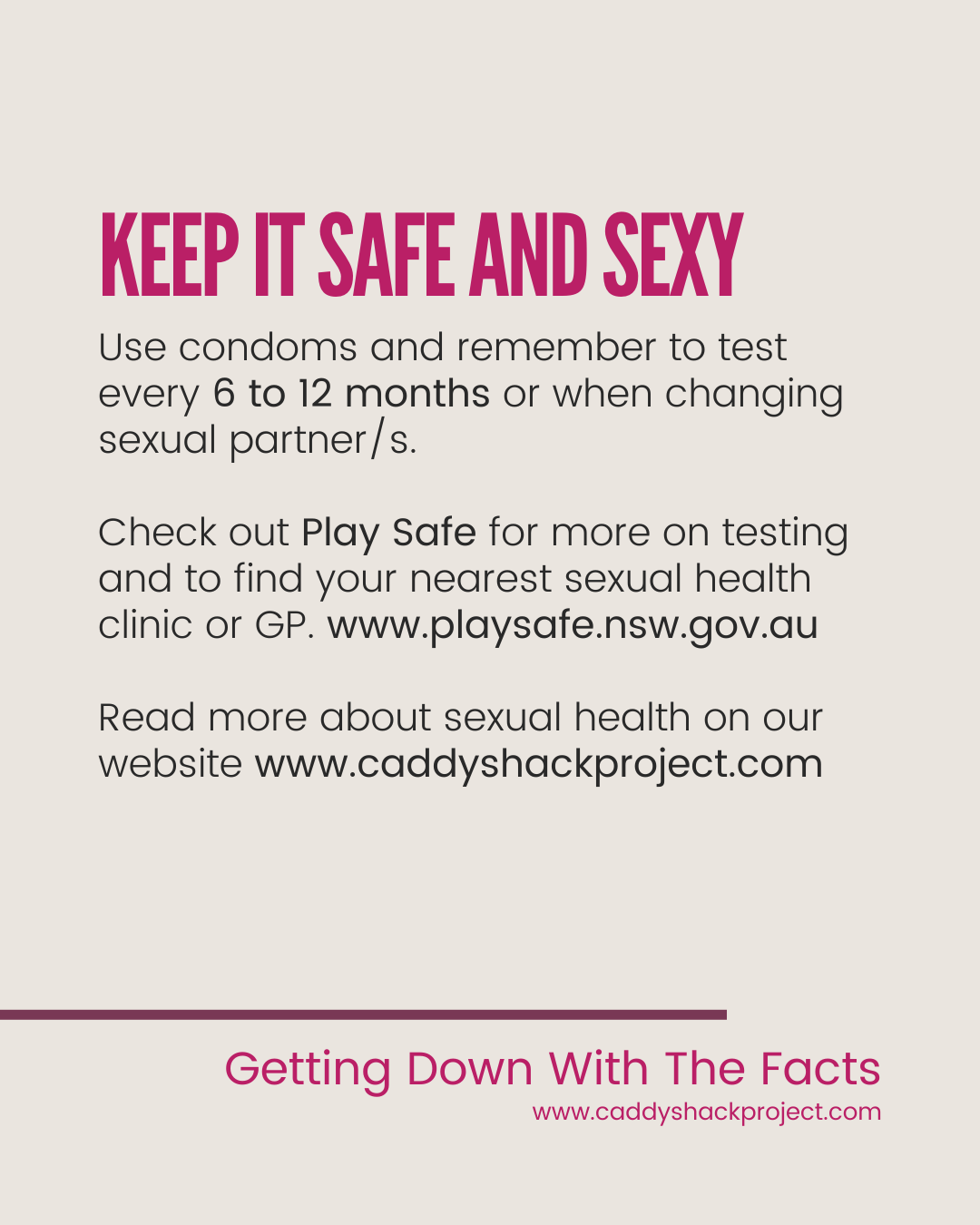
sexual health check-ups (HIV & STI testing)
This is intentional as the Australian Survey of Secondary and Sexual Health (SSASH) survey 2022 reports that most young people (72.3%) agreed that young people should be tested for STIs, yet;
only 12.6% agreed that STI testing was common in their age group,
11.5% agreed that their friends believed they should be tested and
15% had ever had an STI test or sexual health check-up.
Educational content on social media can meet young people where they are at and break down barriers to STI testing such as knowing where they to go to get tested and the difficulty of talking about STI testing with partners (SSASH 2022).
We included barrier protection methods in our series as the SSASH survey once again provides the evidence needed for promoting condom use. Despite positive attitudes to condom use, 38.3% of young people reported always using condoms and less than half reported using a condom at their most recent sex. Only 57.4% of young people surveyed thought that condom use with a new partner was common among people their age.
We are keen to compare this data with the 8th National Survey of Secondary and Sexual Health in 2026. Subscribe to our e-newsletter to be notified when the report is published!
Watch or listen to lead researcher of the Australian Survey of Secondary and Sexual Health survey, Professor Jennifer Power talk more about sexuality, sexual health and HIV in our On The Couch episode: Society, Social Scripts and the Study of Sex
Let’s get into our series Getting Down With The Facts
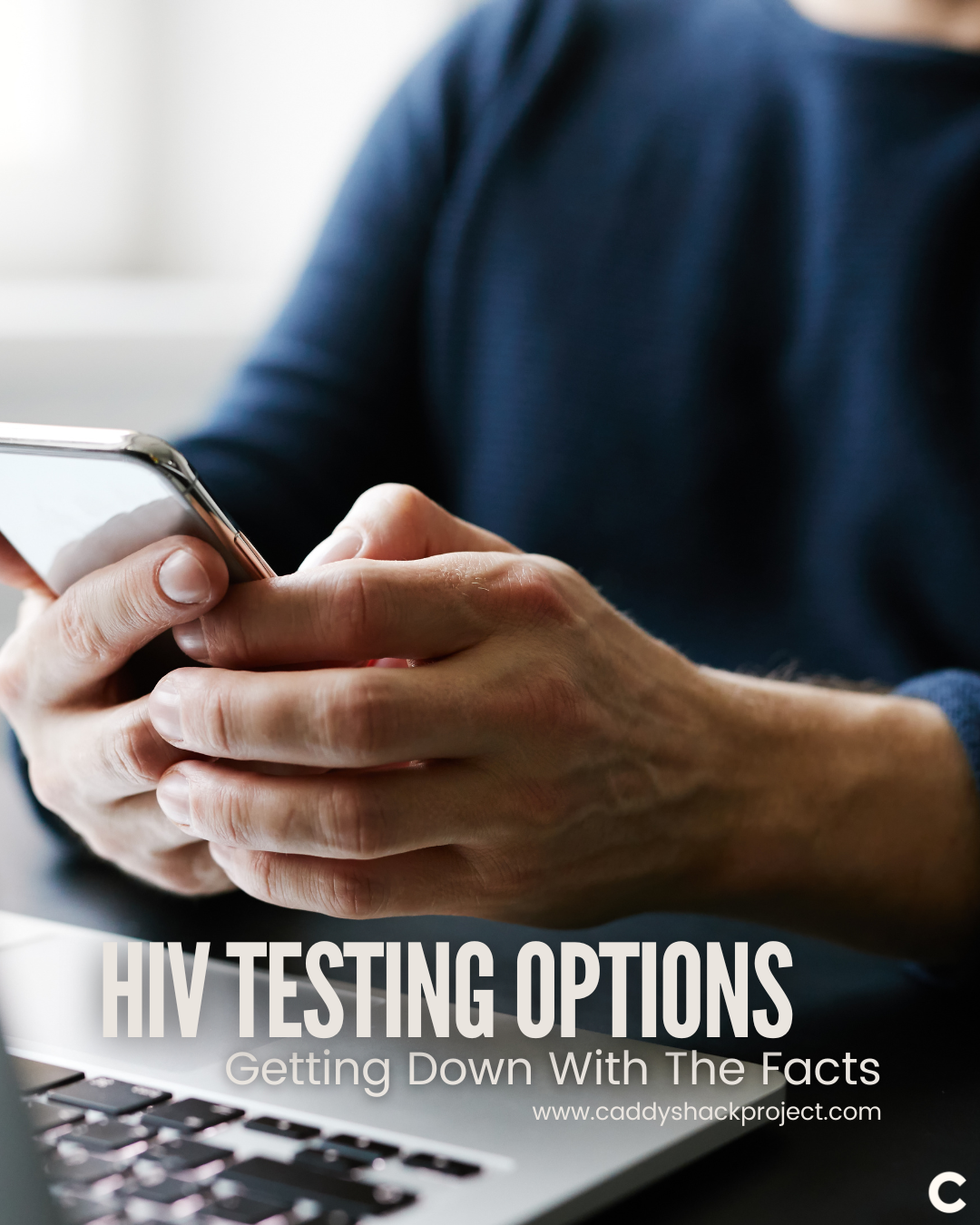
Getting Down With The Facts: HIV Testing Options
Many people don’t know they have HIV, which means they are not getting the health benefits of being on HIV treatment.
Not knowing about HIV also means it can be passed on to others.
The only way to find out if you have HIV is by having a HIV test.
𝗜𝗻 𝗡𝗦𝗪, 𝗛𝗜𝗩 𝘁𝗲𝘀𝘁𝗶𝗻𝗴 𝗶𝘀 𝗳𝗿𝗲𝗲, 𝗲𝗮𝘀𝘆 𝗮𝗻𝗱 𝗰𝗼𝗻𝗳𝗶𝗱𝗲𝗻𝘁𝗶𝗮𝗹. Visit @endinghiv to learn about different testing methods
➡️a blood test at a Sexual Health Clinic or a General Practitioner (GP)
➡️a Rapid Test Clinic called a[TEST]
➡️a self-test kit from a MyTest vending machine
➡️an at home Dried Blood Spot (DBS) test
Getting Down With The Facts: When was your last STI test? Be Your Best & STI Test
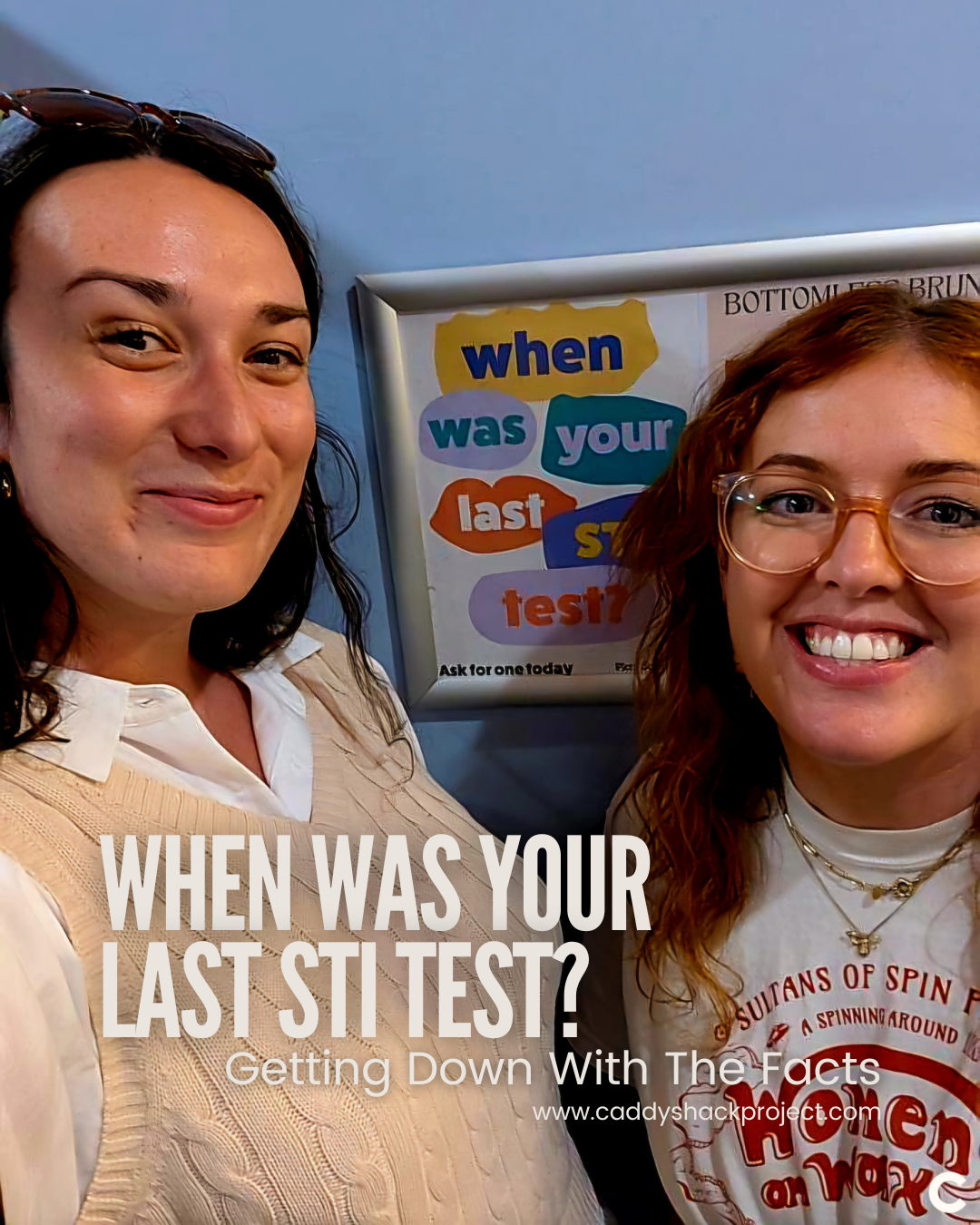
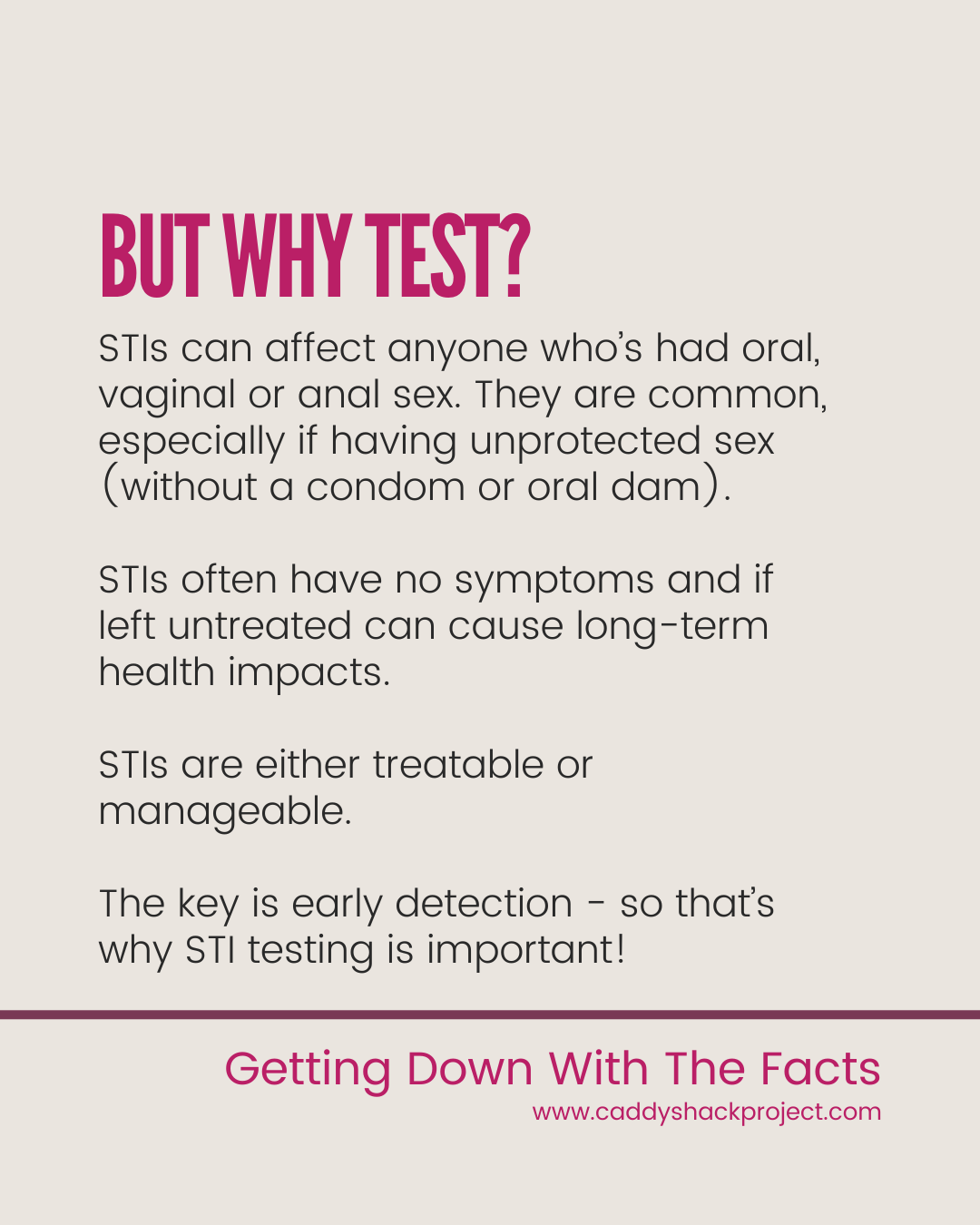
𝗦𝗲𝘅𝘂𝗮𝗹𝗹𝘆 𝗧𝗿𝗮𝗻𝘀𝗺𝗶𝘀𝘀𝗶𝗯𝗹𝗲 𝗜𝗻𝗳𝗲𝗰𝘁𝗶𝗼𝗻𝘀 (𝗦𝗧𝗜𝘀) 𝗱𝗼𝗻'𝘁 𝗮𝗹𝘄𝗮𝘆𝘀 𝗵𝗮𝘃𝗲 𝘀𝘆𝗺𝗽𝘁𝗼𝗺𝘀, 𝘄𝗵𝗶𝗰𝗵 𝗶𝘀 𝘄𝗵𝘆 𝗴𝗲𝘁𝘁𝗶𝗻𝗴 𝘁𝗲𝘀𝘁𝗲𝗱 𝗿𝗲𝗴𝘂𝗹𝗮𝗿𝗹𝘆 (𝗲𝘃𝗲𝗿𝘆 𝟲𝗺𝘁𝗵𝘀) 𝗶𝘀 𝘀𝗼 𝗶𝗺𝗽𝗼𝗿𝘁𝗮𝗻𝘁.
👩⚕️👨⚕️👩⚕️
STI tests are confidential, often free and depending on the type of sex, the test can look like a urine sample (wee in a cup), swab or quick blood test.
😘🍑🍆
𝗦𝗧𝗜𝘀 𝗮𝗿𝗲 𝘀𝘂𝗽𝗲𝗿 𝗰𝗼𝗺𝗺𝗼𝗻 𝗮𝗻𝗱 𝗰𝗮𝗻 𝗮𝗳𝗳𝗲𝗰𝘁 𝗮𝗻𝘆𝗼𝗻𝗲 𝘄𝗵𝗼'𝘀 𝗲𝘃𝗲𝗿 𝗵𝗮𝗱 𝗼𝗿𝗮𝗹, 𝘃𝗮𝗴𝗶𝗻𝗮𝗹 𝗼𝗿 𝗮𝗻𝗮𝗹 𝘀𝗲𝘅. If left untreated, STIs can cause long-term health impacts.
👨🏫👩🏫👨🏫
Visit @playsafensw website to find your nearest sexual health clinic and more info!


Getting Down With The Facts: How to use a condom
Pre-hookup coffee date? That's nice. 𝗪𝗲𝗮𝗿 𝗮 𝗱𝗮𝗺𝗻 𝗰𝗼𝗻𝗱𝗼𝗺.
☕🌞😘
Follow these 𝘀𝗶𝘅 𝘀𝘁𝗲𝗽𝘀 𝗼𝗻 𝗵𝗼𝘄 𝘁𝗼 𝘂𝘀𝗲 𝗮 𝗰𝗼𝗻𝗱𝗼𝗺 so it's actually effective at preventing sexually transmissible infections and unplanned pregnancy and remember that 𝗰𝗼𝗻𝘀𝗲𝗻𝘁 𝗯𝗲𝗳𝗼𝗿𝗲 𝗮𝗻𝗱 𝗱𝘂𝗿𝗶𝗻𝗴 𝘀𝗲𝘅 𝗶𝘀 𝗶𝗺𝗽𝗼𝗿𝘁𝗮𝗻𝘁.

1️⃣ 𝗖𝗵𝗲𝗰𝗸 𝘁𝗵𝗲 𝗲𝘅𝗽𝗶𝗿𝘆 𝗱𝗮𝘁𝗲 of the condom as expired condoms can break easily.
2️⃣ 𝗢𝗽𝗲𝗻 𝘁𝗵𝗲 𝗽𝗮𝗰𝗸𝗲𝘁 𝗰𝗮𝗿𝗲𝗳𝘂𝗹𝗹𝘆 without damaging the condom by tearing the packet down the side rather than using your teeth.
3️⃣ 𝗛𝗼𝗹𝗱 𝘁𝗵𝗲 𝘁𝗶𝗽 𝗼𝗳 𝘁𝗵𝗲 𝗰𝗼𝗻𝗱𝗼𝗺 to remove any air and roll it down to the base of the erect penis or sex toy. If it’s hard to roll down, it could be inside out. Don’t reuse that one as there’s a chance there’s a little pre-cum on it. Grab another condom and start again.
4️⃣ 𝗨𝘀𝗲 𝗮 𝘄𝗮𝘁𝗲𝗿-𝗯𝗮𝘀𝗲𝗱 𝗹𝘂𝗯𝗿𝗶𝗰𝗮𝗻𝘁 on the outside of the condom to reduce the risk of the condom breaking and increase pleasure. Don’t use oil-based lube such as Vaseline; these can cause the condom to break.
5️⃣ When finished, make sure the penis is withdrawn while still erect. 𝗛𝗼𝗹𝗱 𝗼𝗻𝘁𝗼 𝘁𝗵𝗲 𝗯𝗮𝘀𝗲 𝗼𝗳 𝘁𝗵𝗲 𝗰𝗼𝗻𝗱𝗼𝗺 𝘄𝗵𝗶𝗹𝗲 𝘄𝗶𝘁𝗵𝗱𝗿𝗮𝘄𝗶𝗻𝗴 so it doesn’t slip off.
6️⃣ Remove the condom, tie a knot at the end, wrap it in a tissue and 𝗽𝘂𝘁 𝗶𝘁 𝗶𝗻 𝘁𝗵𝗲 𝗯𝗶𝗻.
Find free condoms in the Illawarra and Shoalhaven on our website #linkinbio
Learn more about condoms over on @playsafensw
Getting Down With The Facts: 5 benefits of the internal condom


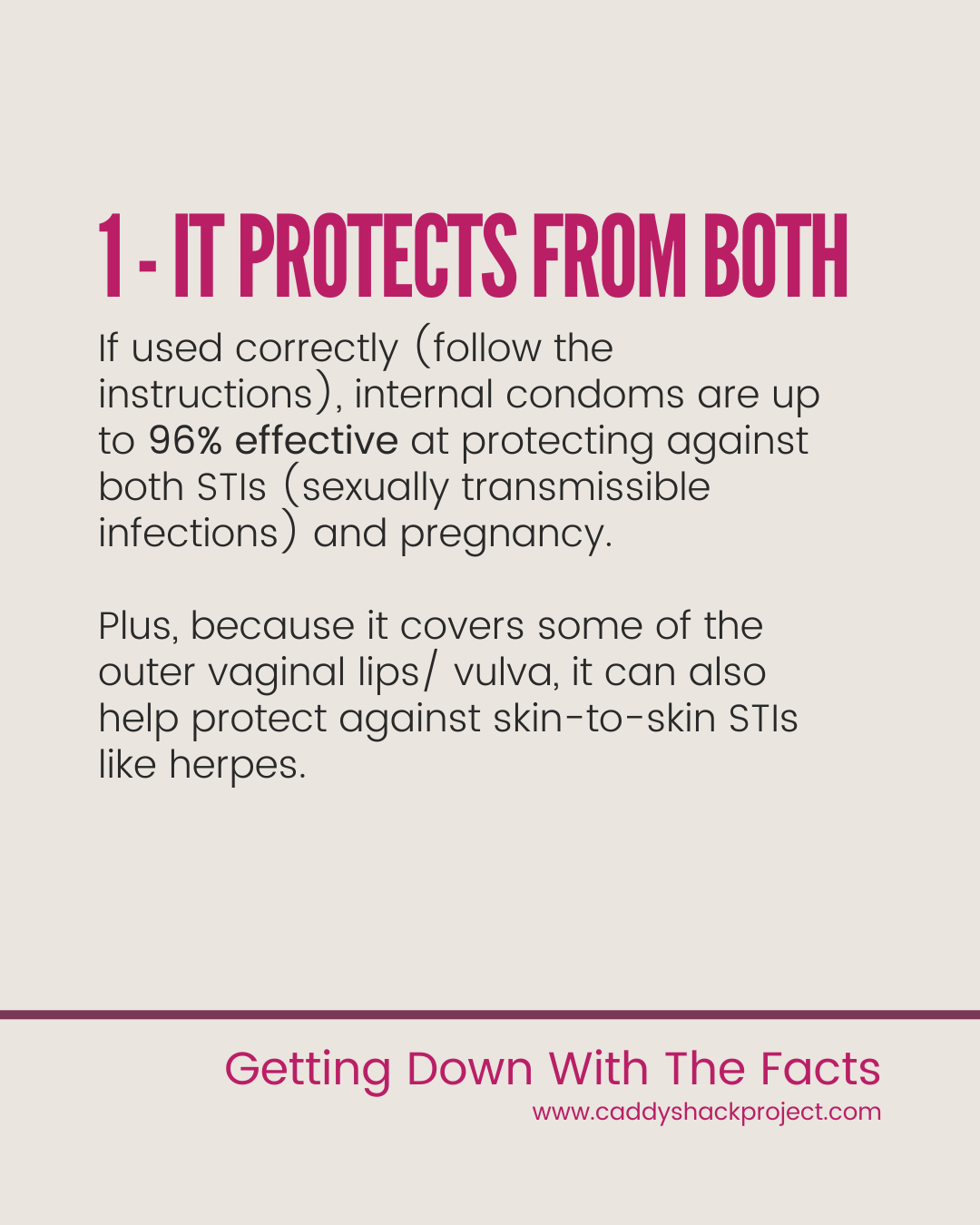


Internal condoms are an effective barrier method of contraception 𝗽𝗿𝗲𝘃𝗲𝗻𝘁𝗶𝗻𝗴 𝗦𝗧𝗜𝘀 𝗮𝗻𝗱 𝘂𝗻𝗽𝗹𝗮𝗻𝗻𝗲𝗱 𝗽𝗿𝗲𝗴𝗻𝗮𝗻𝗰𝗶𝗲𝘀.
✨They can be used during sexual contact including oral, anal and vaginal sex and with sex toys.✨
Read more about the benefits of internal condoms and jump on @playsafensw, @familyplanningaustralia and @theyepproject to learn how to use them.
Getting Down With The Facts: That dam feels good
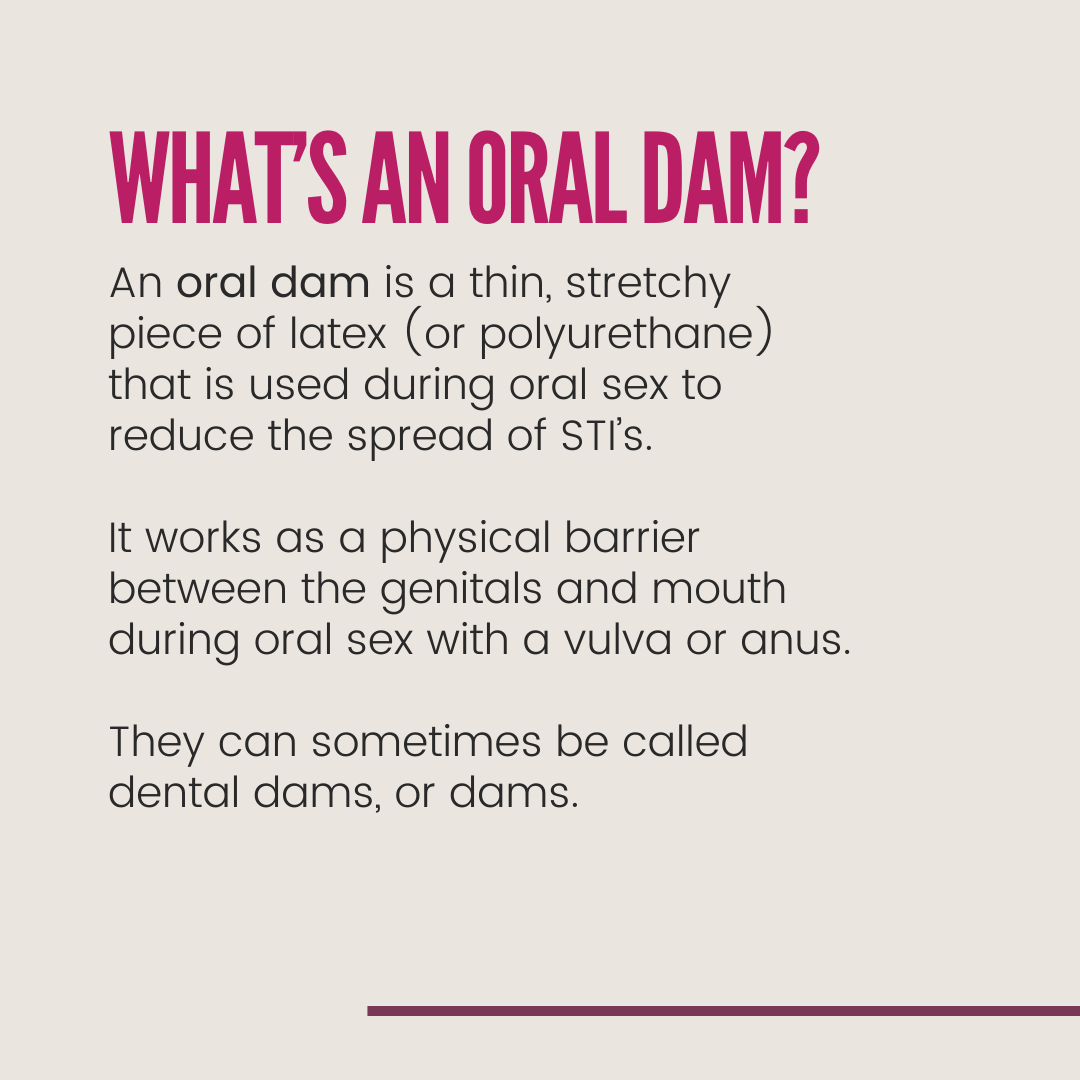

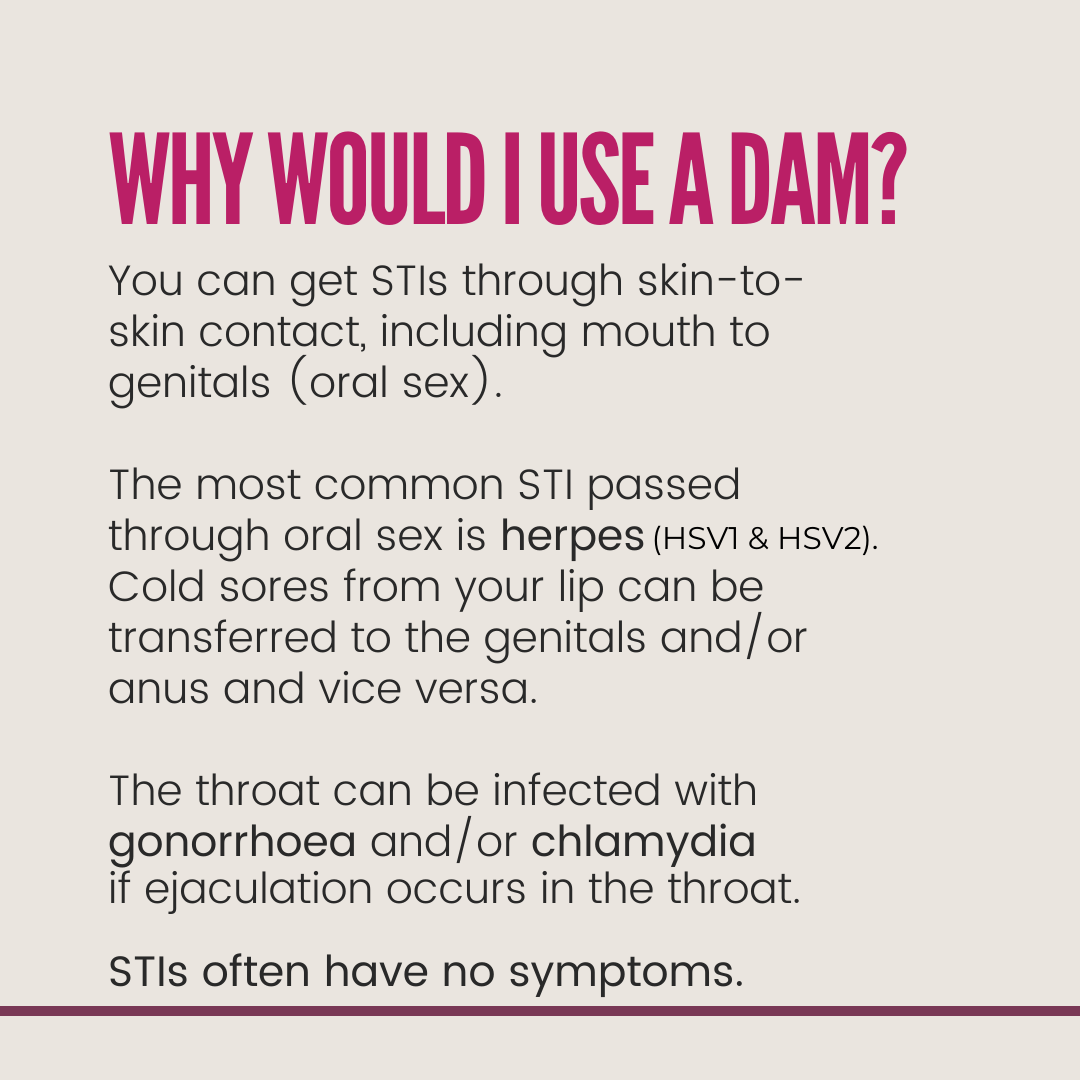

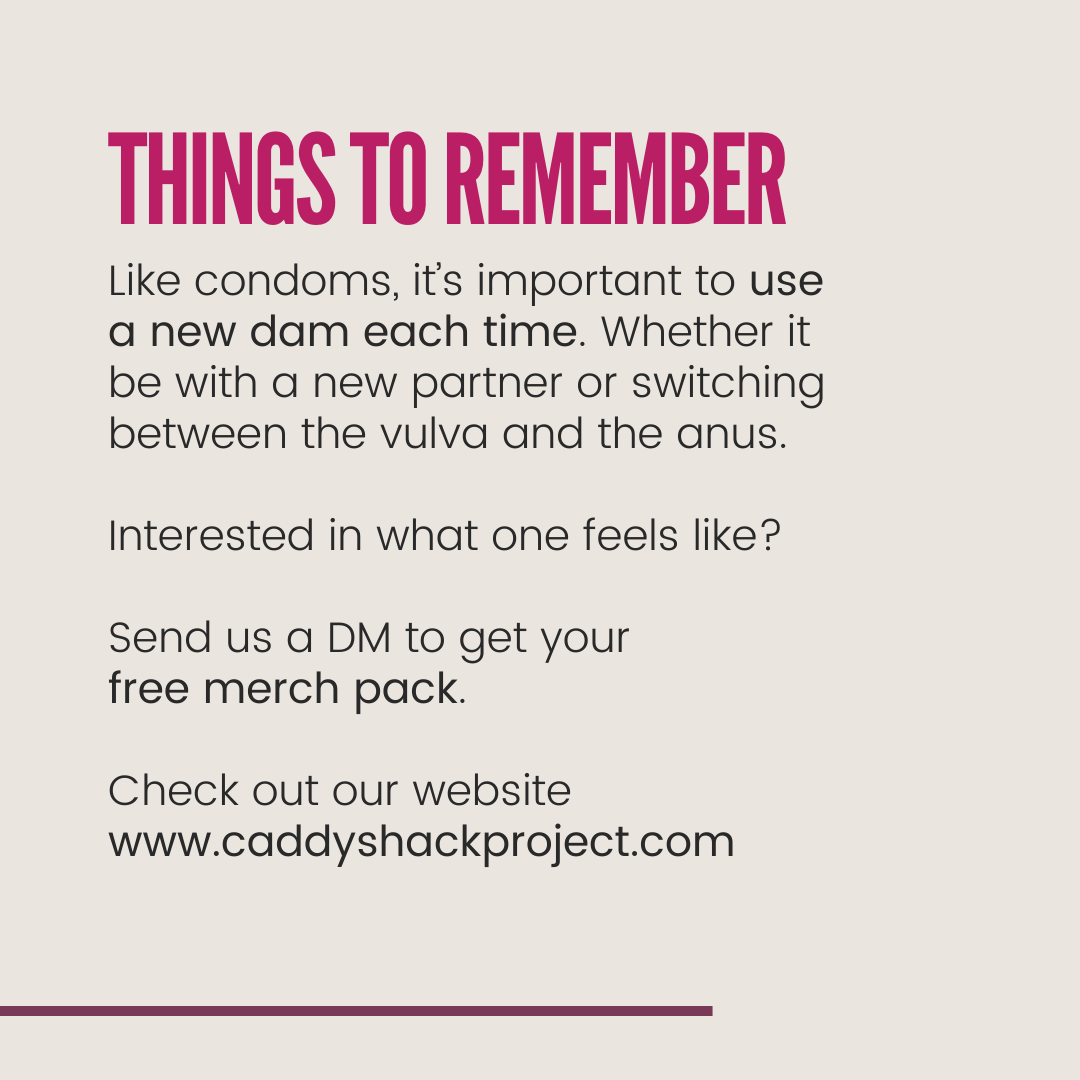
𝙶𝚎𝚝𝚝𝚒𝚗𝚐 𝙳𝚘𝚠𝚗 𝚆𝚒𝚝𝚑 𝚃𝚑𝚎 𝙵𝚊𝚌𝚝𝚜: The deal with dams! 🌟
🧠 𝗪𝗵𝗮𝘁'𝘀 𝗮𝗻 𝗼𝗿𝗮𝗹 𝗱𝗮𝗺? An oral dam is a thin, stretchy piece of latex (or polyurethane) that is used during oral sex to reduce the spread of STI’s.
🧠 𝗪𝗶𝗹𝗹 𝗶𝘁 𝘀𝘁𝗶𝗹𝗹 𝗳𝗲𝗲𝗹 𝗴𝗼𝗼𝗱? If you can feel through your undies you can absolutely feel through an oral dam!
🧠 𝗪𝗵𝘆 𝘄𝗼𝘂𝗹𝗱 𝗜 𝘂𝘀𝗲 𝗮 𝗱𝗮𝗺? You can get STIs through skin-to-skin contact, including mouth to genitals (oral sex).
🧠 𝗛𝗼𝘄 𝗱𝗼 𝗜 𝘂𝘀𝗲 𝗮 𝗱𝗮𝗺? Lay the dam flat and covering the vulva and clitoris or the anus.
🧠 𝗧𝗵𝗶𝗻𝗴𝘀 𝘁𝗼 𝗿𝗲𝗺𝗲𝗺𝗯𝗲𝗿. Like condoms, it’s important to use a new dam each time!
DM us to grab your free merch pack! 💝
Getting Down With The Facts: Lube Up & Level Up

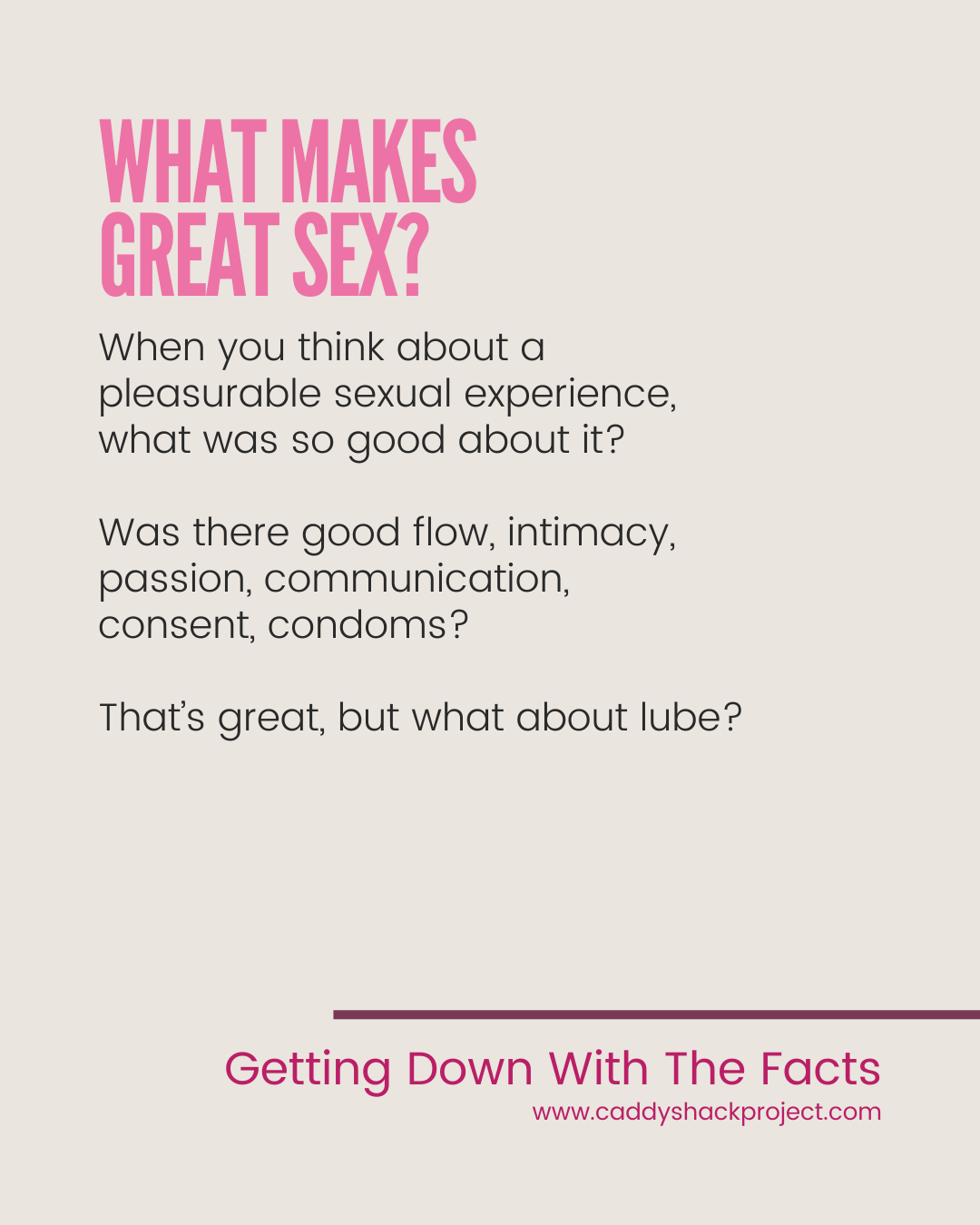
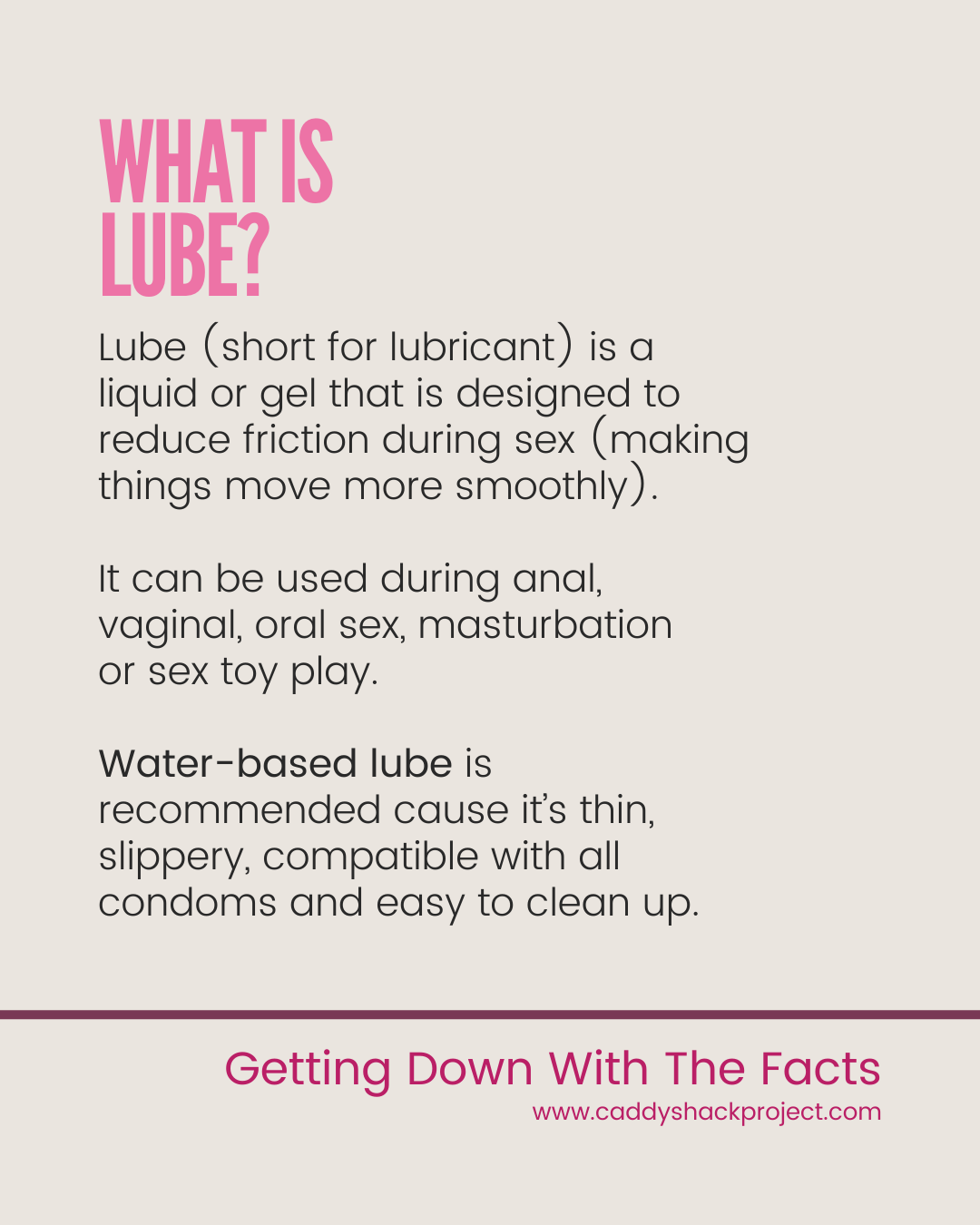
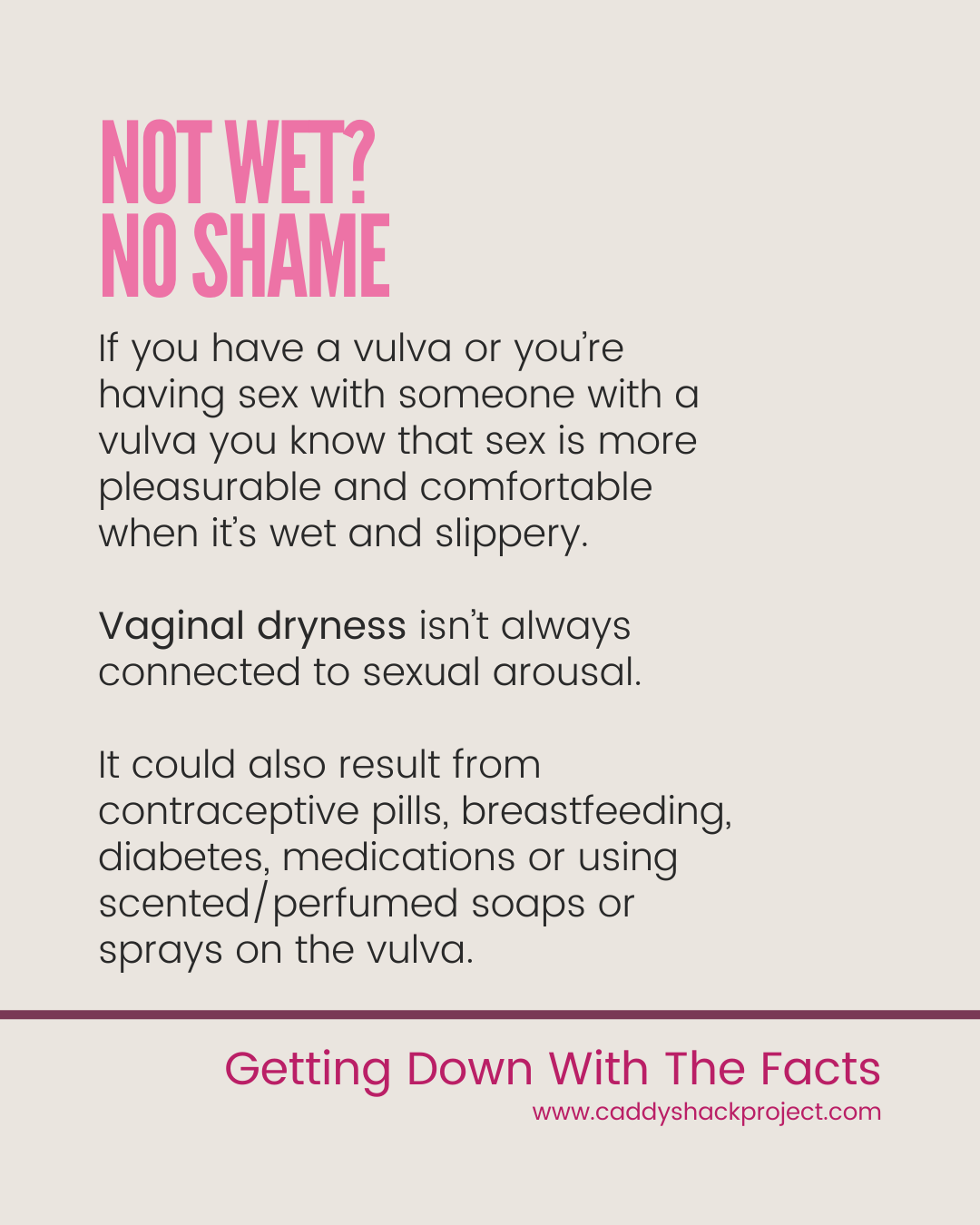
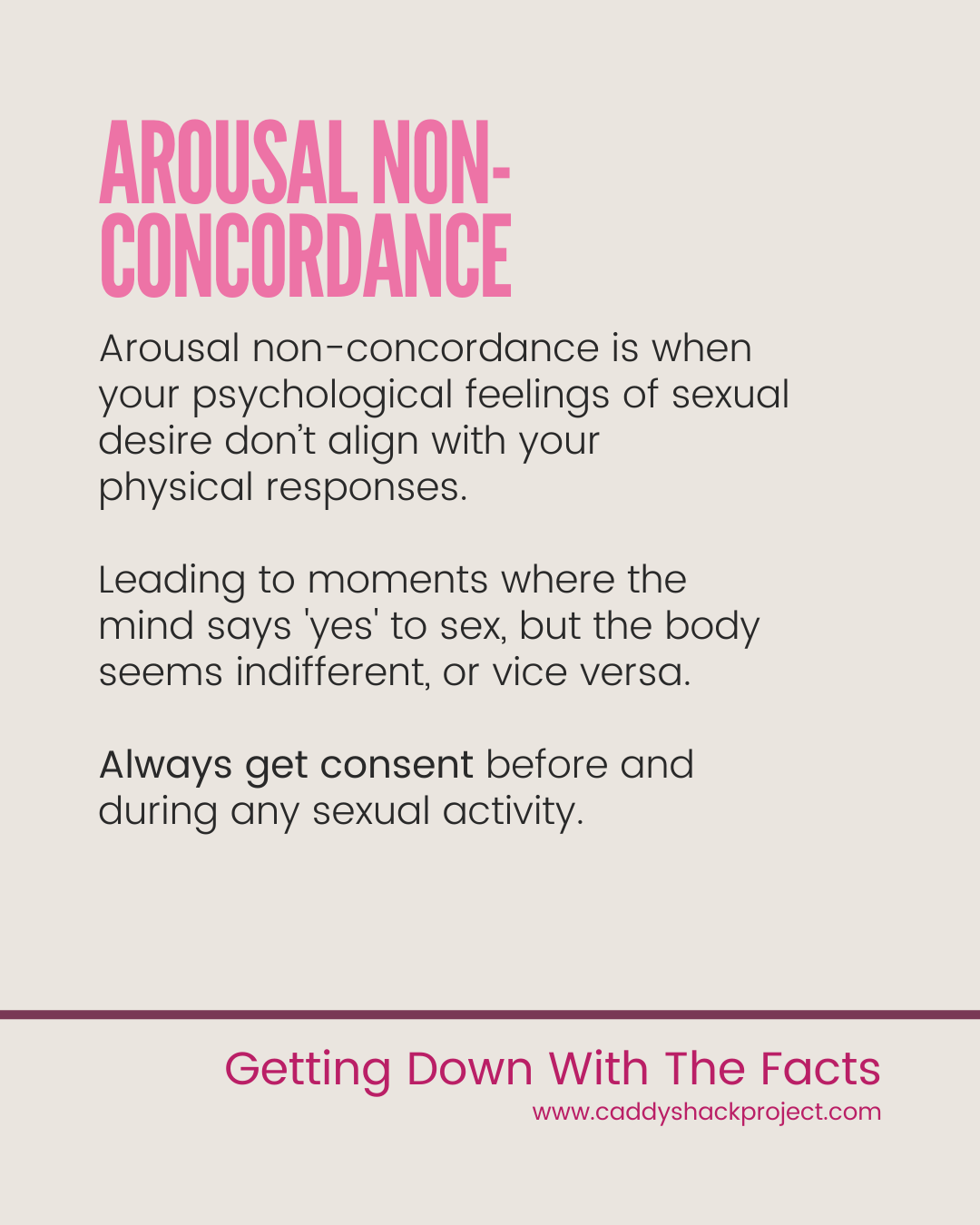

When you think about a 𝗽𝗹𝗲𝗮𝘀𝘂𝗿𝗮𝗯𝗹𝗲 𝘀𝗲𝘅𝘂𝗮𝗹 𝗲𝘅𝗽𝗲𝗿𝗶𝗲𝗻𝗰𝗲, what was so good about it? 🤷♀️ Was there good flow, intimacy, passion, communication, consent, condoms? That’s great, but what about lube?
💦 𝗪𝗮𝘁𝗲𝗿-𝗯𝗮𝘀𝗲𝗱 𝗹𝘂𝗯𝗲 is recommended cause it’s thin, slippery, compatible with all condoms and easy to clean up. It can be used during anal, vaginal, oral sex, masturbation or sex toy play.
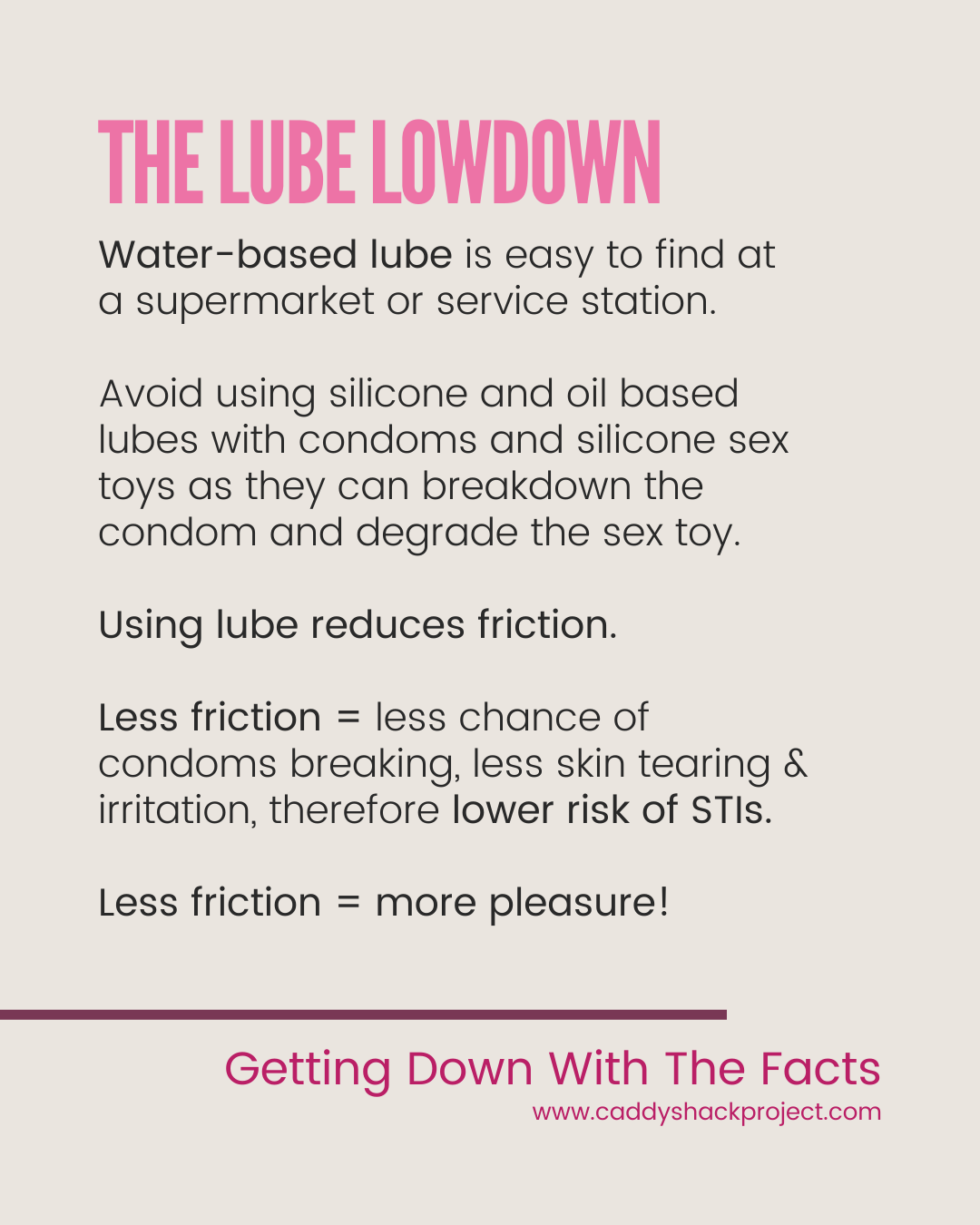
💦 𝗨𝘀𝗶𝗻𝗴 𝗹𝘂𝗯𝗲 𝗿𝗲𝗱𝘂𝗰𝗲𝘀 𝗳𝗿𝗶𝗰𝘁𝗶𝗼𝗻💦
✨ 𝗟𝗲𝘀𝘀 𝗳𝗿𝗶𝗰𝘁𝗶𝗼𝗻 = less chance of condoms breaking, less skin tearing & irritation, therefore 𝗹𝗼𝘄𝗲𝗿 𝗿𝗶𝘀𝗸 𝗼𝗳 𝗦𝗧𝗜𝘀.
✨𝗟𝗲𝘀𝘀 𝗳𝗿𝗶𝗰𝘁𝗶𝗼𝗻 = 𝗺𝗼𝗿𝗲 𝗽𝗹𝗲𝗮𝘀𝘂𝗿𝗲!✨
Learn more about sex on the @playsafensw website
Connect, Connect, Connect
Our goal is for these bite sized education pieces on Instagram to grab attention and connect young people with further information on trustworthy websites like Play Safe, Family Planning, Multicultural HIV and Hepatitis Service and ACON.
So, let us introduce them.
Play Safe
Starting with our friends at Play Safe NSW.
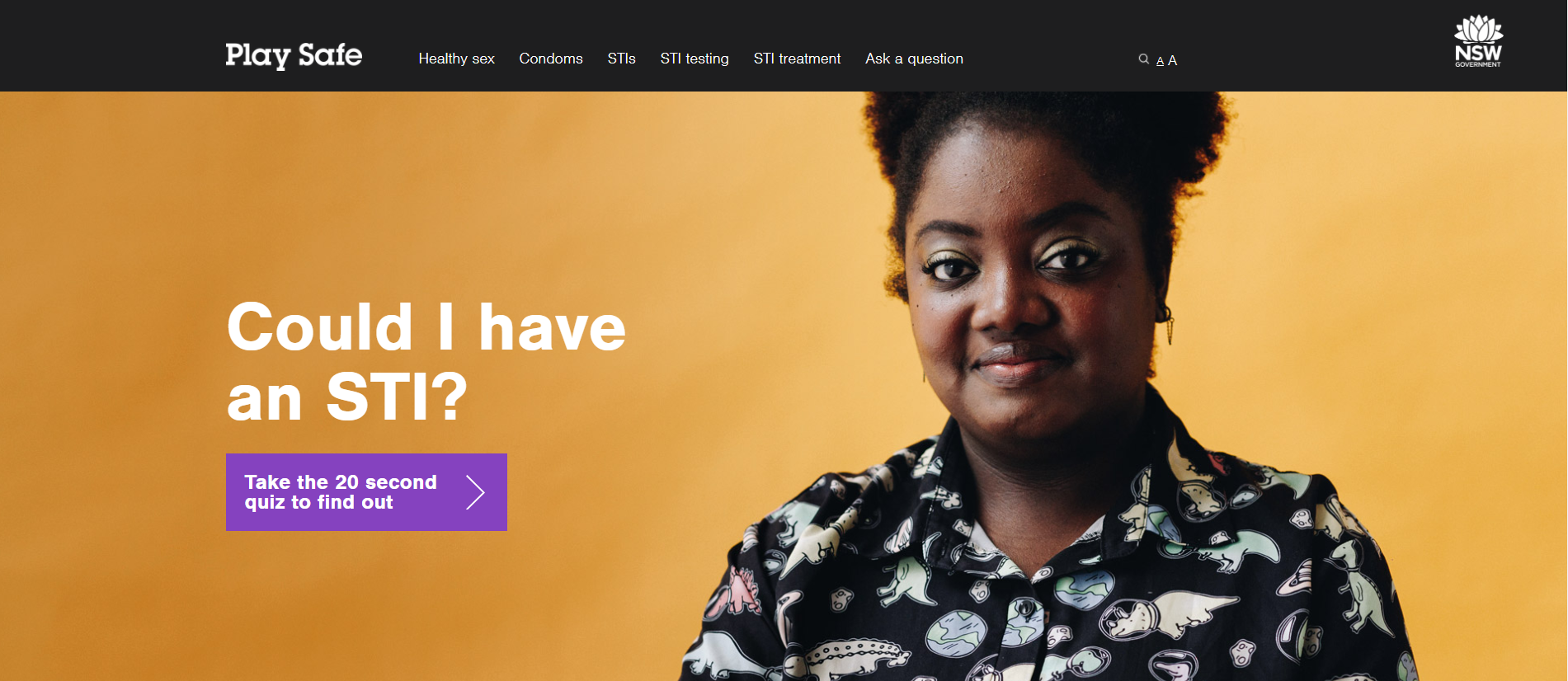
The NSW Health Play Safe website has everything young people need to know about safe sex, condoms, STI testing and treatment. It also has a range of interactive features for self-assessment and peer support.
Some of our most used pages on Play Safe NSW are;
Could I have an STI? It’s a 20 second quiz to assess a person’s risk of an STI and recommends STI testing if appropriate.
Speaking of STI testing. Another favourite interactive feature on the Play Safe NSW website is the Where to get an STI test location finder page. This STI testing service finder helps to locate a NSW testing service nearby.
The Play Safe Blog is a go to page for us, with information on healthy sex, condoms, STIs, testing and treatment.
Play Safe NSW have a team of experienced sexual health nurses, ready to answer any sexual health related questions for free. The service is available to all young people under the age of 30 in NSW and is 100% confidential.
For further support around getting an STI test, interpreting results or figuring out what to do after testing positive for an STI, Play Safe also refer to services like;
Sexual Health Infolink – NSW Health sexual health advice line
healthdirect – 24/7 health free advice and information phone line
Talkline – free sexual and reproductive health hotline run by Family Planning Australia
Translating and Interpreting Service – free service for people who speak a language other than English
Headspace – online and in-person mental health and wellbeing support for young people
Lifeline – 24/7 free mental health and crisis support for people in Australia
Twenty10 – LGBTQIA+ free counselling for young people in NSW
Better to Know – sexual health resource for Aboriginal and Torres Strait Islander people
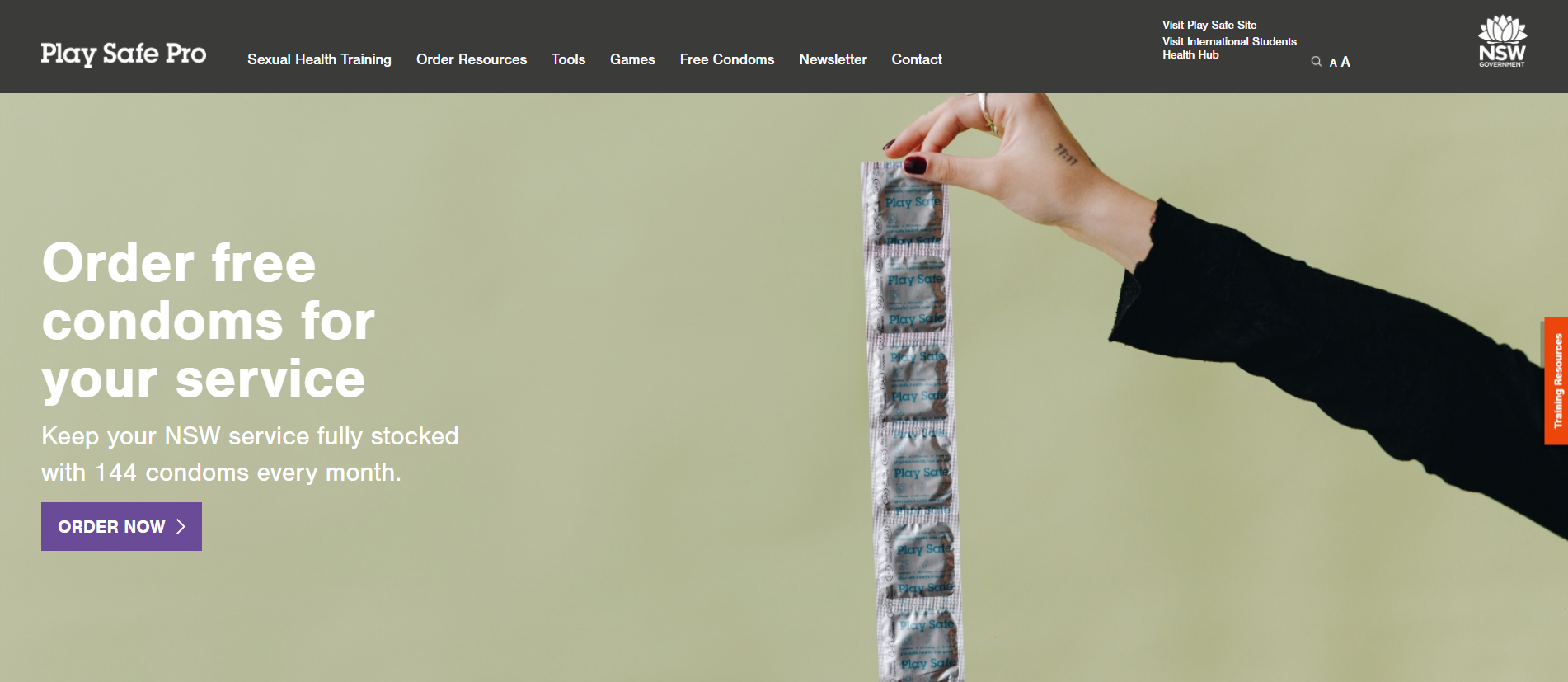
If you are a professional working with and supporting young people in NSW, we’d recommend checking out Play Safe Pro. The Play Safe Pro website provides tools, training and resources designed to help you start the conversation around safer sex and gives you the answers you need.
Find sexual health training, tools, games and order resources for your services like posters and 144 condoms each month.
Family Planning

Family Planning Australia are an independent, not-for-profit organisation and a leading provider of reproductive and sexual health services with factsheets, education as well as clinical services for people throughout NSW.
Family Planning Australia offer education and training with courses available for clinicians, disability workers, youth workers, school teachers, health workers and other service providers.
What’s great about these courses is that they are approved for professional development points or hours as Family Planning are a registered Training Organisation authorized by the Australian Skills Quality Authority.
Individuals can get information and support from Family Planning in the following factsheets;
Aboriginal and Torres Strait Islander Communities, Abortion, Breast health, Cervical screening, Consent and sex, Contraception, Disability, Fertility and infertility, Gynaecological health, HIV & AIDS, Men’s health, Menopause/HRT, Non-English speaking communities, Parents and carers, Periods, Pregnancy, Psychology, Puberty, Relationships, STIs, Teachers, Under 25’s
Multicultural HIV and Hepatitis Service
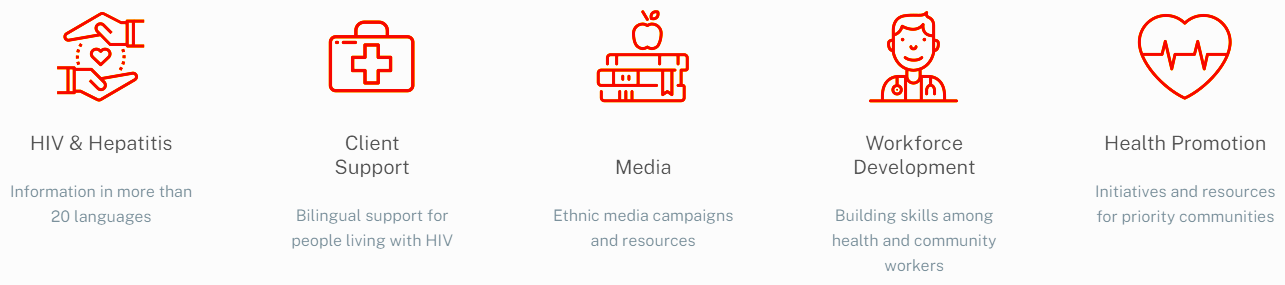
The Multicultural HIV and Hepatitis Service (MHAHS) works with culturally and linguistically diverse (CALD) communities in NSW to improve health and well-being in relation to HIV, hepatitis B and hepatitis C.
MHAHS works with and empowers CALD individuals and communities in NSW to improve health and well-being in relation to HIV, hep B and hep C through a Client Support Program for people living with HIV and a comprehensive range of multilingual information on HIV, hep b and hep c, media campaigns, community engagement initiatives, workforce development and health promotion.
ACON
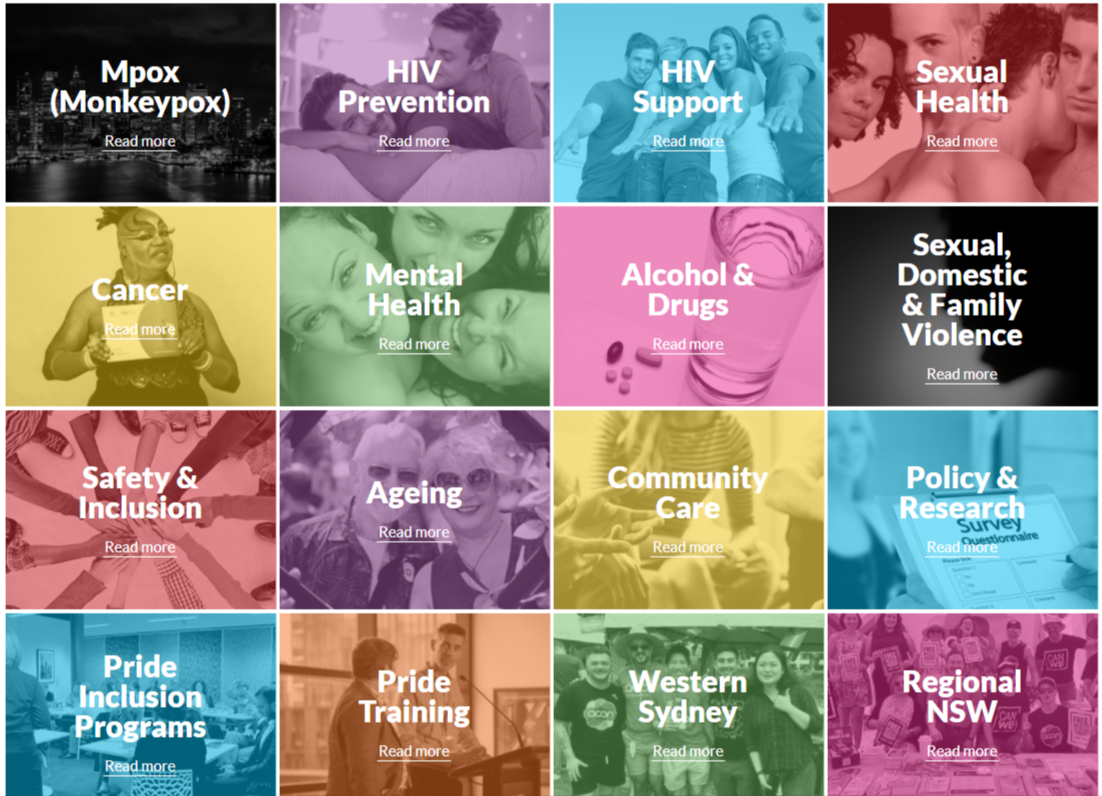
ACON are a leader in community health, inclusion and HIV responses for people of diverse sexualities and genders. A fiercely proud community organisation creating opportunities for people in our communities to live their healthiest lives.
ACON provide information on and support services for;
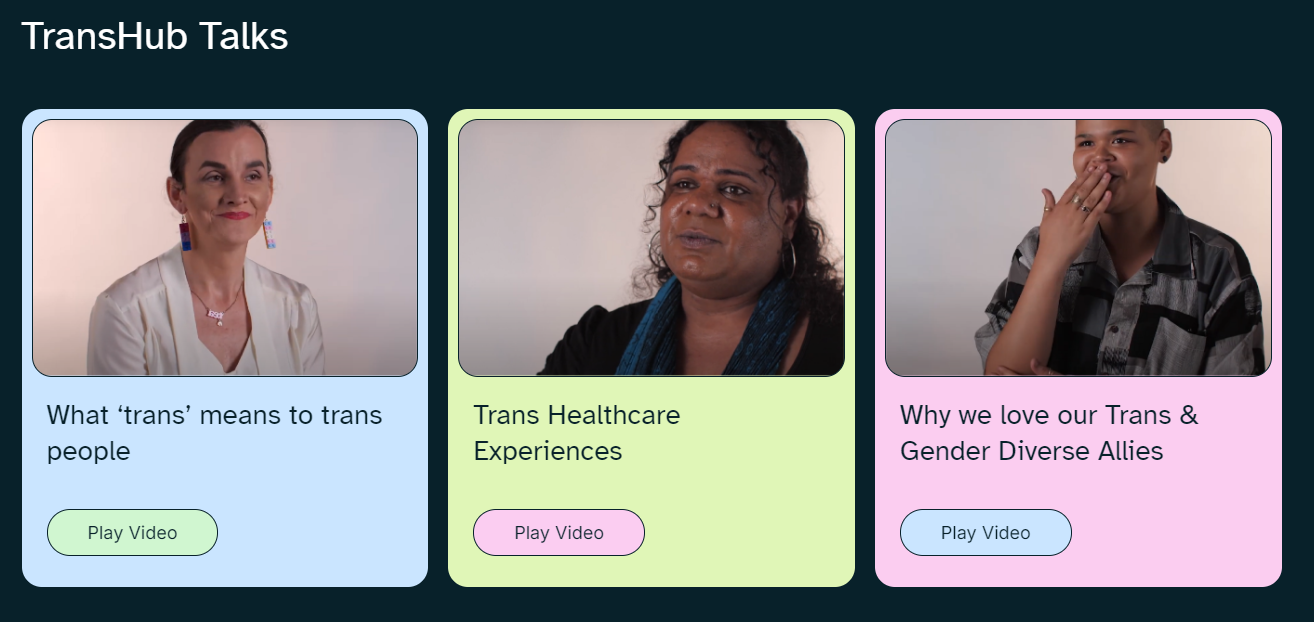
TransHub is ACON’s digital information and resource platform for all trans and gender diverse people in Australia, loved ones, allies, clinicians and health providers. TransHub hosts videos, toolkits, templates, programs and workshops featuring topics related to health, rights, connection and affirmation.
What’s Next
Getting Down With The Facts is far from over. We have a long list of topic areas to include in the series such as contraception, consent and chlamydia.
We would love to hear from you! What sexual health topics do you want to see in this mini-series format? Send us a DM on Instagram or email us at ISLHD-CaddyshackProject@health.nsw.gov.au
Until next time,
Peace, Love & Protection