
What’s On Our Mind? Censorship of Sex Ed on Social Media
September 2025
It’s a question many sexual health organisations, sex therapists, consent educators and sex positive influencers are asking.
Can we still talk about sex on social media?
Why Sex Education on Social Media
We’ve been diving into research articles which has been interesting and reassuring, although not surprising. They have confirmed that young people are reaching for digital technologies for sexual and reproductive health support, specifically turning to social media for information about sex, health, bodies and relationships.
And why wouldn’t they? Social media is not only helping fill gaps in sex education and providing an accessible connection point to health services for young people, it’s providing opportunities to foster inclusive and informed communities.
It’s an accessible place that validates young people’s personal experiences while being an educational resource. But is it always a trustworthy source of information?
How can we as sex, consent and sexual health educators, rise above the noise of misinformation and discrimination and be seen through the censorship on social media platforms?
Social Media Censorship
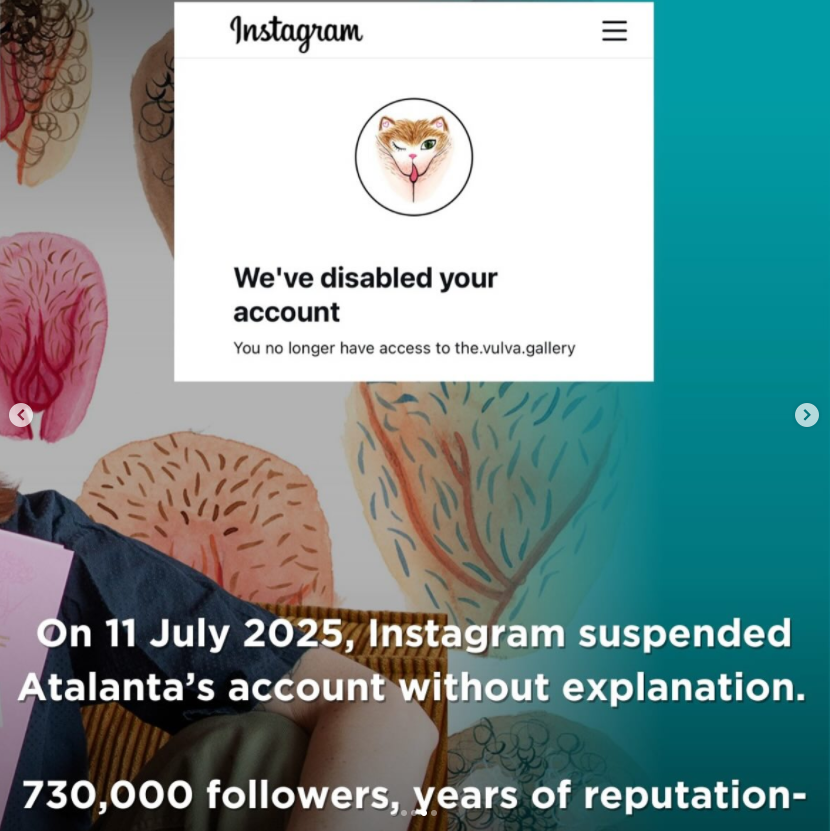
The intersection of sex and social media is a continuing focal point of contention, sparking debates around censorship, freedom of expression, and the regulation of online content.
Discussions around sexually explicit imagery - the body positive/ body neutral movements vs pornography - are landing in accounts getting suspended.
Think movements like Free The Nipple, The Vulva Gallery and sexual wellbeing including women and non-binary folx pleasure being disabled. This expands to written content with sex and consent education accounts (like ours) getting reduced reach and even some accounts getting restricted, temporarily banned, suspended and shadow banned for breaching community guidelines and ‘selling sex’ when they are actually promoting sex education.
This is algorithm hindering and digital suppression and it has serious impacts on how young people get their sex and sexual health information.
Watch censorship in action as comedian Hayley Morris did a fantastic skit on censorship on words like vulva and vagina.
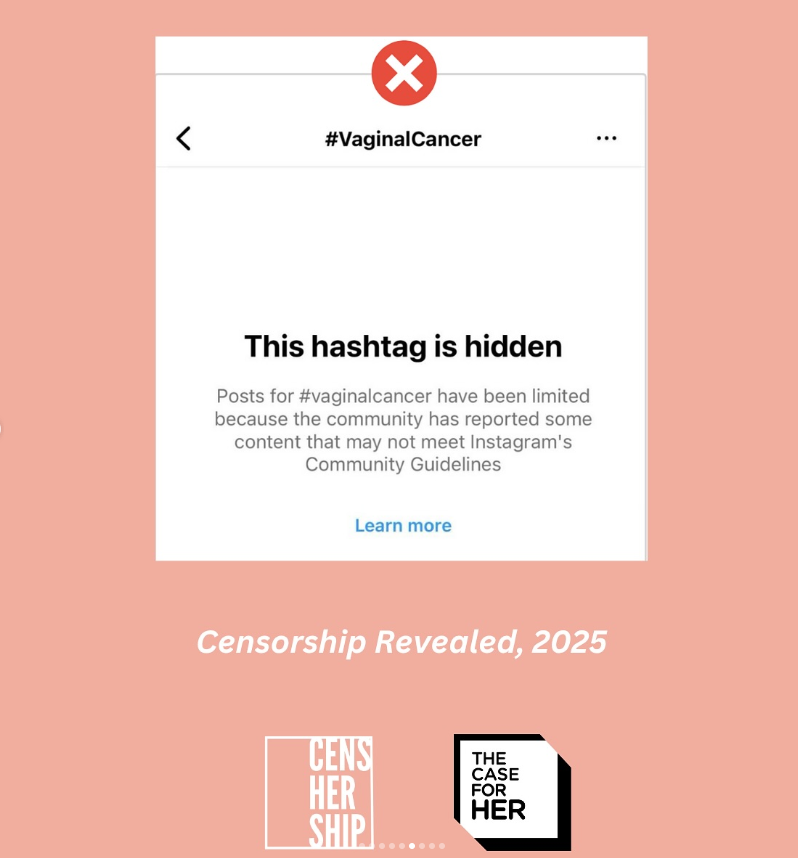
What’s on our mind? The unfair double standard.
Promoting sex education content is labelled as ‘inappropriate’ and is silenced and restricted.
While other more harmful accounts are freely, and openly sharing false and damaging misinformation, discriminatory and threatening content and harmful user comments without regulation.
It’s not just us thinking this, a UK based research and advocacy organisation, CensHERship surveyed nearly 100 brands, charities, medical educators and creators in the women’s health and sexual wellbeing space.
They found that 95% of respondents had experienced social media censorship in the last 12 months, with over half of respondents altering their language or imagery to avoid takedowns, reinforcing stigma and limiting public understanding (2024-25).
A couple of examples from the study include;
A sexuality educator reported as ‘prostitution’ or ‘child pornography’ when covering topics such as breast exam tips and menstruation facts
A campaigner raising awareness of vulval cancer whose account was restricted for the use of the word vulva and vagina
The breast cancer awareness campaign having to show a male nipple instead of a female one
The sex education account deleted on Instagram and unable to run any ads for courses on sexual education
A brand creating a carousel on Instagram containing the words vaginal microbiome - it was rejected 5 times until the words were removed
Their study recommendations include the call out to platforms and their algorithms to treat medically-accurate women’s health content as essential – not explicit – and ensure fair, transparent and context-sensitive moderation.
What Sex Ed to Trust on Social Media
Once again, we go back to the research. With the increased use of data-driven algorithmic curation of social media content and online advertising, young people are more likely to come across content related to sex, sexuality and relationships that they have not searched for.
What is interesting about this is that due to sex education censorship and the removal of fact-checking, how do we know the content in this non-intentional or incidental exposure is reliable? And how do trustworthy accounts penetrate and leverage on young people’s engagement of content through incidental exposure?
We also want to note here that, as you know (because we talk about it all the time) the research demonstrates that comprehensive sex education is crucial in supporting young people to make healthy informed decisions, keep them safe from harm and practice safer more pleasurable sexual experiences.
If you haven’t already noticed, this blog post is posing more questions than answers.
Some great discussion around this topic was had in our On The Couch episodes; Young People’s Digital Cultures & Sexual Health with Professor Kath Albury; and Society, Social Scripts & the Study of Sex with Professor Jennifer Power.


So how do young people know they can trust our content on social media?
At Caddyshack, we aim to create high quality sexual health content that links to our credible website through our bio. We minimise potential mistrust by consistently delivering information that aligns with our values and tone. Our content is positive, relatable and user-friendly, and we use correct terms without using unnecessary jargon.
Our friends at Learning Consent recently produced a post on Instagram with practical tips on how to know if accounts are trustworthy and reliable.
What’s On Our Mind: The Series
Last year, the Caddyshack team started a series on Instagram about what’s on our mind. It’s intention is to provide additional more conversational content to the sexual health, consent and sex education we deliver.
It’s a way we can share those broader related thoughts around sex and relationships whilst encouraging conversations and further learning through external resources.
We think about this Instagram series as a mini-blog series. A place where we can put our thoughts, we reflect on our questions even when we don’t have all the answers. A series where we can connect and pay it forward by sharing links to external information sources.
It’s an ongoing series that started as we were reflecting on what we do, what content we put into the world and how we can share more about those little ideas, thoughts brewing in our mind and conversations we have with our friends and peers.
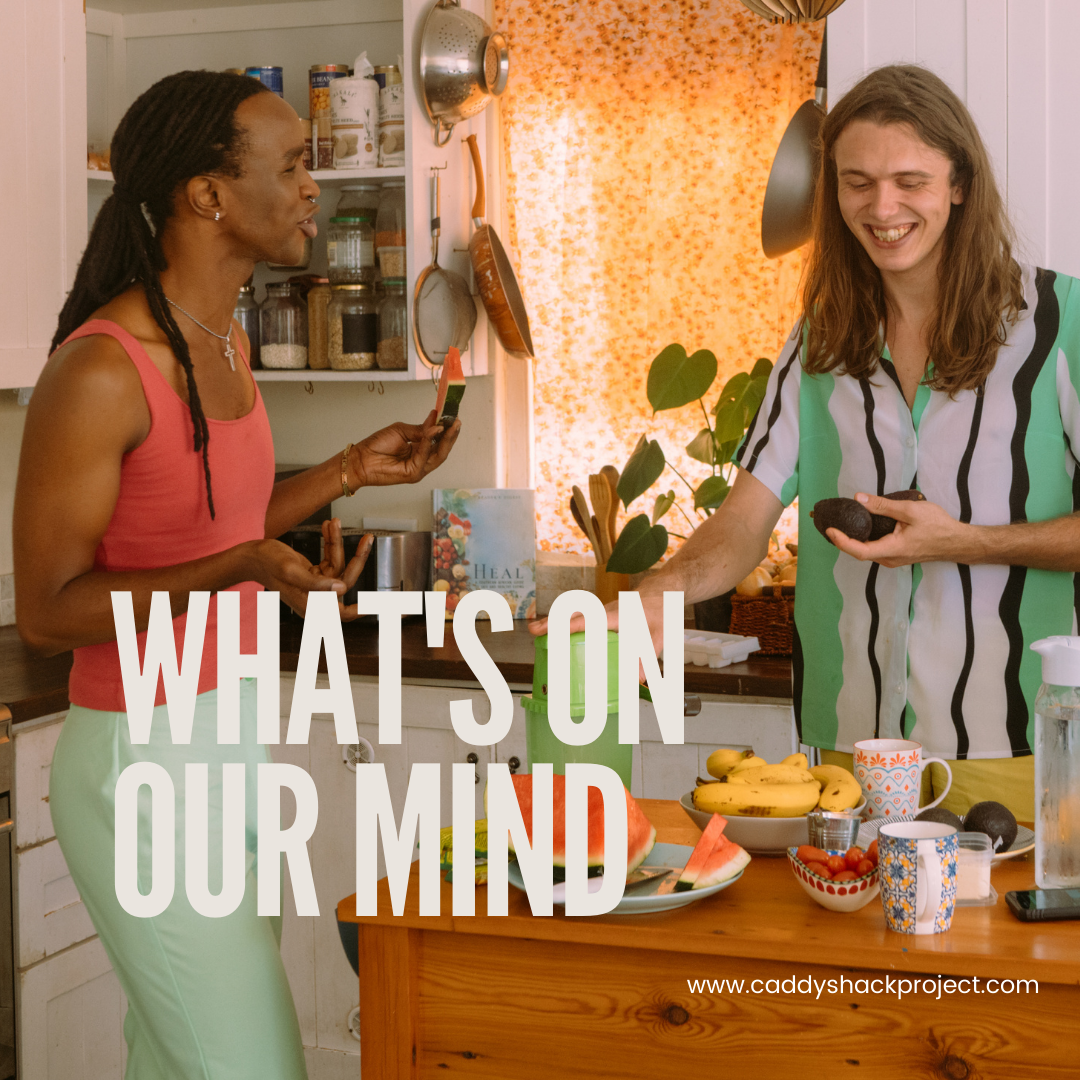
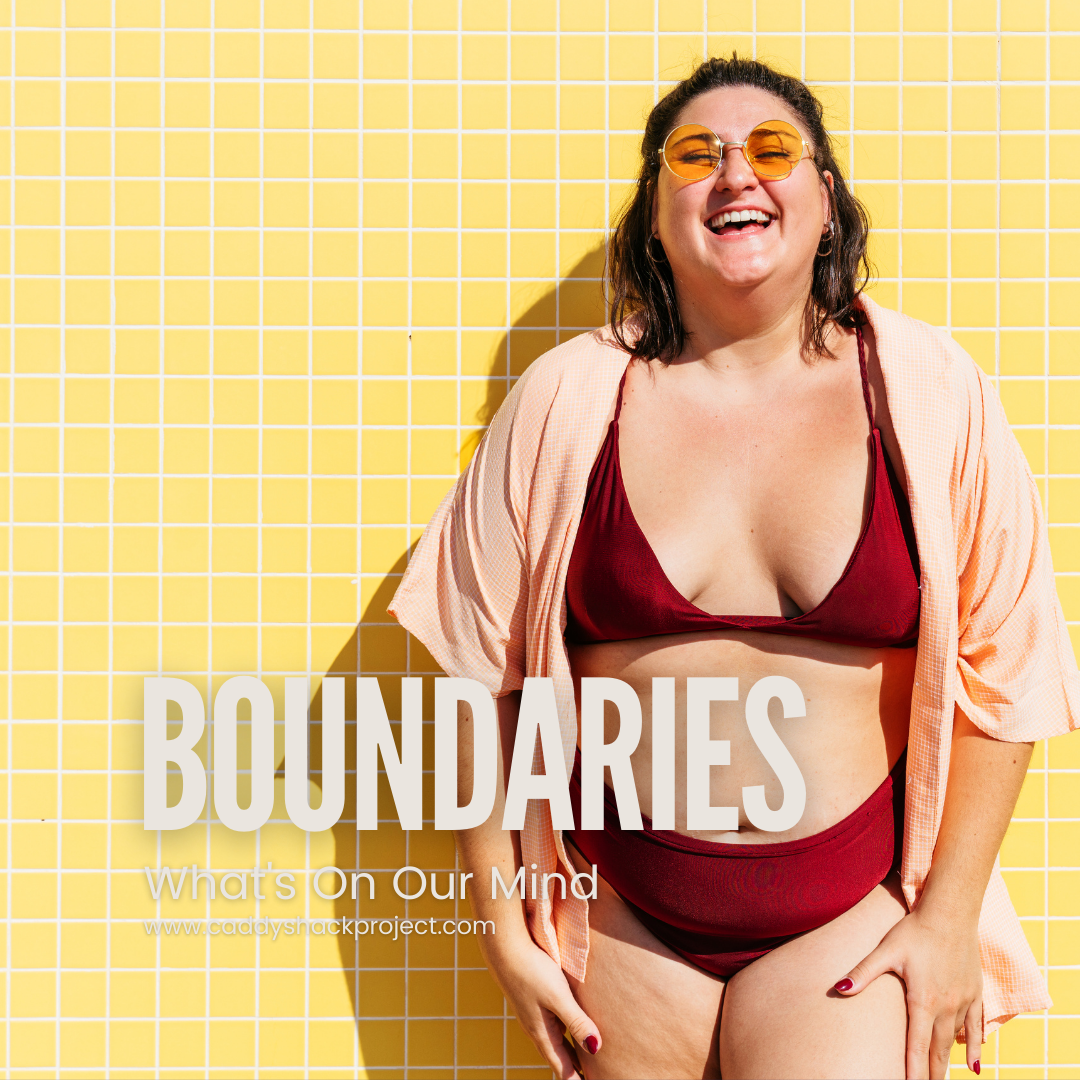





Do you talk about sex with your mates? National Condom Day What are you vibing? And then I got the ick From lovers to friends How does sex end? Skin hunger in cuddle season Don’t be gross Go Piss Girl Getting behind it Feeling two things at once Whoops the condom broke Platonic love The date was... blah Boundaries Filling my cup isn’t working Do you like what you see?
Long story short
Social media platforms offer unprecedented opportunities for individuals to express themselves, connect with others, get insight, learn and explore diverse perspectives.
We know that we could utilise strategies like instead of writing ‘sex’ we could write ‘seggs’, ‘s*x’ or ‘s3x’ to trick the algorithm so our content reaches more people.
But in our small corner of the internet, we are making a stand and saying – yeah, nah, we’re not going to self-censor, we’re going to keep talking about sex, sexuality and sexual health in a way that is accessible for all. We will keep providing reliable and trustworthy information and share resources and services with our communities.
Want to help?
Search for us on Google and Instagram, like, comment and share our content. Be part of the movement and let’s promote an informed and positive approach to sex.
Resources for digital transformation
Social media is only one digital platform, so before we wrap up this blog post, let’s take a moment to look beyond social media.
Are you a policymaker, funder, part of the health workforce or a health consumer reading this and not sure about the importance, or how to start to do the work through digital platforms?
The sector is beginning to recognise the different ways that digital and data skills, infrastructure and governance can support sexual and reproductive health. But better training and resourcing is still needed for the sexual and reproductive health workforce to strengthen their digital and data capabilities.
So, to help organisations build strategic conversations, Professor Kath Albury and her team recently built an open-access website: Digital and Data Capabilities for Sexual and Reproductive Health (DDCSRH).
The platform offers practical, evidence-based recommendations and resources to support digital transformation through ethical and inclusive approaches to boost digital and data capabilities for the sexual and reproductive health sector.
Some of the tailored tools include:
Models and checklists for building digital, data and consumer capabilities
Evidence-informed guides on emerging digital sexual and reproductive health topics
Case studies grounded in recent Australian research
Links to relevant policies and Commonwealth training hubs
Jump into the DDCSRH website, explore the evidence-based models and strategies and have the strategic conversations in your workplace.
if you want to keep learning about censorship, the Healthy Teen Network wrote a fantastic piece on navigating sexual and reproductive health censorship on social media.
We are proud of the creative digital content we produce in promoting a positive approach to sex, sexuality and sexual health in the face of challenges like online censorship. And you know what? We’re not going to stop. Watch us.
As always,
Peace, Love and Protection.