
A Youth Perspective: The Importance Of Co-Design
November 2026
What happens when young people aren’t just consulted, but are genuine partners in shaping projects that affect their lives?
At Caddyshack, we recognise the importance of lived experience and are inspired by projects where co-design and youth consultation are at the centre. It’s a practice many different sectors are adopting and one that we are continuing to meaningfully integrate into our work.
There are many benefits to both young people, adults and the community when systems are changed to better suit the people they are meant to serve.
This blog post has been co-written by representatives from the Australian Research Centre in Sex, Health and Society (ARCSHS) Sexual Health and Wellbeing Team Youth Advisory Board (YAB). Rania Omar and Alexis Pallister share their reflections on their experiences on the board and what it meant to them to be part of a co-designed project.
Who are the YAB?
Over the past four years the YAB has worked alongside researchers and sexual health sector professionals to centre youth voices and call for comprehensive, accessible and realistic sexual health education and support.
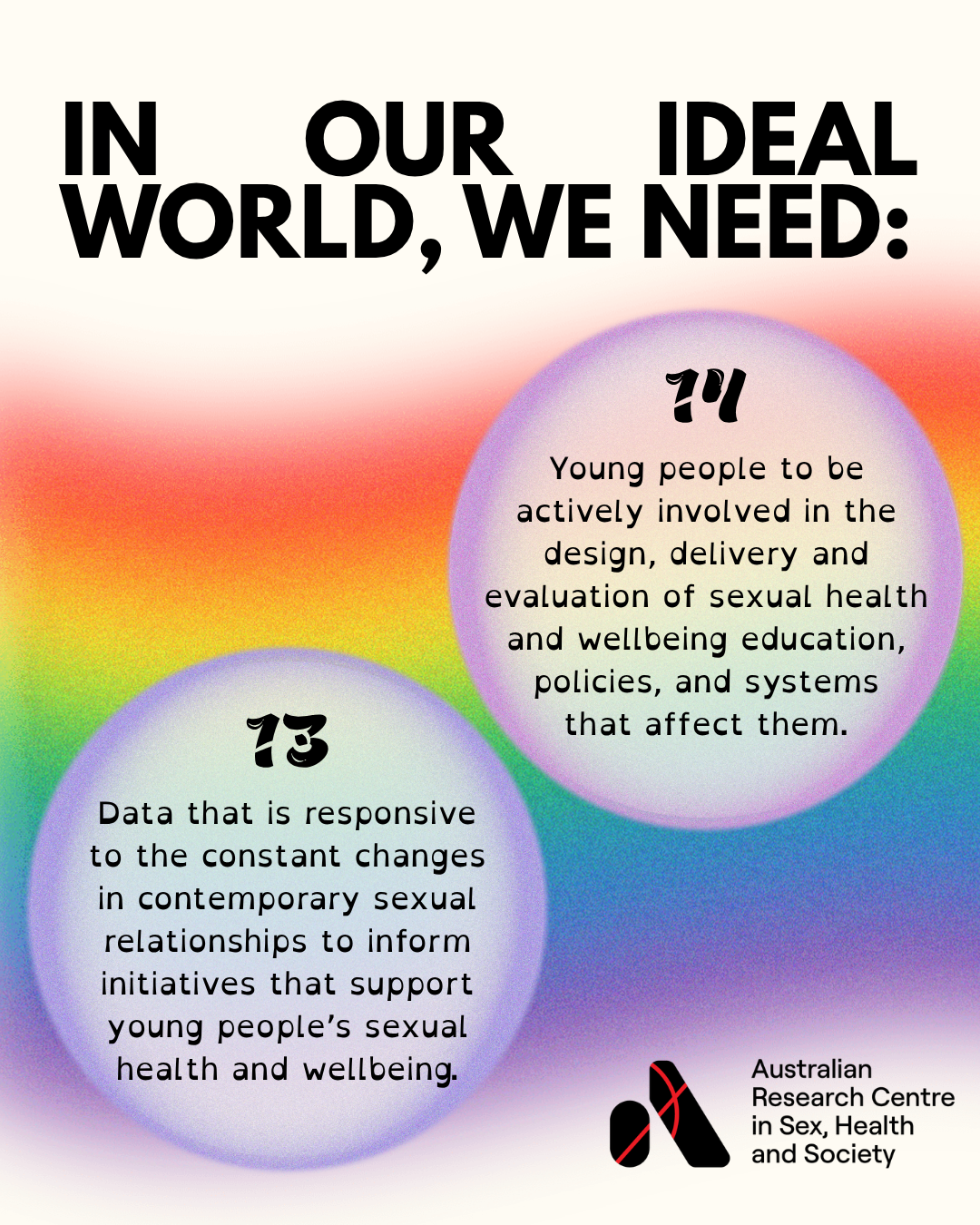
The key project to come from the YAB is a series of recommendations which have been developed to inform and advance research that supports the development of integrated, multi-sector future frameworks for sexual health promotion and education for young people.
These recommendations have been created through gathering a series of perspectives from young people, professionals and other advisory boards and analysing what actions need to be taken to strengthen support for young people.
They have been developed by young people, for young people and include the perspectives of diverse youth who are passionate about diminishing shame and advocating for comprehensive sexual health education.
Rania’s reflections:
Every young person has had a different experience of the sexual health sector, so when gathered in a room of young people with the question posed: ‘What changes do young people need in the sexual health sector?’ we had a lot to say.
The setting and context of the board allowed us to share personal and community experiences with the intention of improving the sexual health sector. For me, the most important thing was that it felt safe for me to share from my cultural and faith perspective. When we first came together we came up with group rules and boundaries for our conversations to make sure each person felt respected and comfortable in the space. This was a great activity that allowed me to get the sense of the cultural safety in the room and voice any boundaries that I had.
Before getting into the nitty gritty of the project, the research team provided us with training around leadership, storytelling and facilitation as well as context of the sexual health sector so we felt prepared for conversations of change.
One of the great things about boards and longer term co-design with young people is that time can be invested into building trust and comfort in the relationships. We were able to foster relationships and trust that subsequently made our projects more in-depth and thought out.
Our time on the board wasn't just co-designed, it was youth-led.
Throughout the project we each took on different roles in planning, creating and facilitating workshops for a youth conference, sector panel and webinar. I personally learnt a lot from the conversations about different barriers that other young people experience when seeking support for sexual health.
We worked collaboratively, building on ideas, workshopping problems and navigating topics that bring up a lot of emotions due to trauma and lived experience of harm. We achieved a lot and with continued funding of the project, hope that a new generation of young people can build on our work to create a national framework for the sexual health sector.
Conversations with other young people and workers in the sexual health sector revealed that there is a strong desire for improvement in practices and a call for more effort to minimise harm but they keep coming up against systemic barriers. It feels like everyone is fighting for change in isolation and there is a need for a larger, coordinated response.
One of the recommendations from our YAB is the need for a national framework for the sexual health sector that is aligned with the values of young people. Projects like the YAB bring young people into the room to do something that is not prioritised enough in the sector, but essential for systems to actually work: envision a future with better systems that young people are part of and not harmed by.
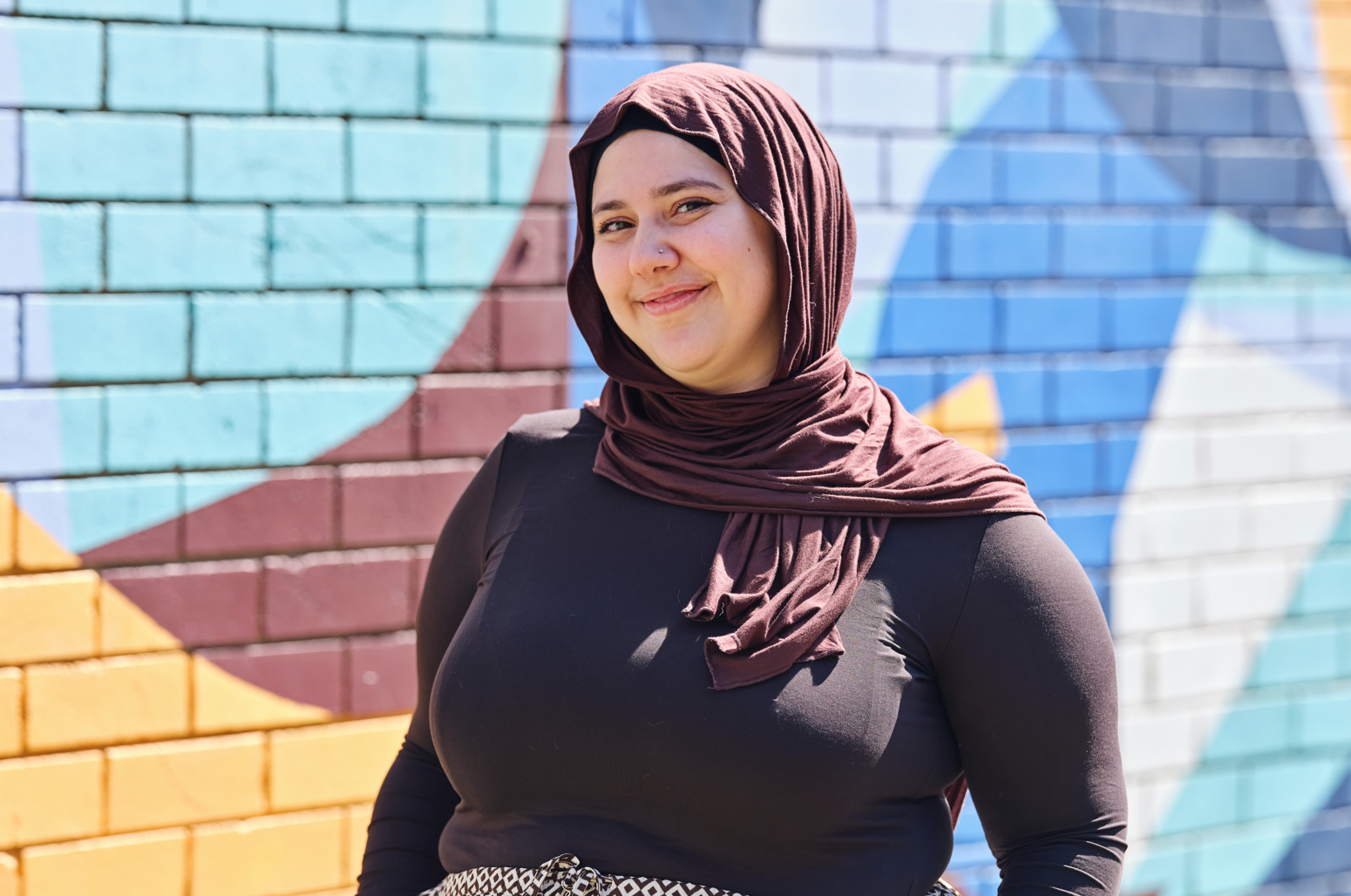
I hope with all my heart that this advocacy and systems change work is prioritised and the national framework is created, because a system that does not improve is one that is bound to break.
Alexis’ reflections:
Nothing should be done for us, without us.
During my time on the YAB this statement of creating work for young people, by young people was our mantra. It truly was such a privilege to work alongside such impressive young people and have meaningful discussions about how we can change the world.
The issues we tackled relating to sexual health were issues close to all of our hearts; they were issues that directly impacted young people, that directly impacted us. Therefore, it makes logical sense that when coming up with the solutions young people have a genuine seat at the table.
There were many elements which made our YAB a success. However, I believe the key facet which supported effective co-design was the approach the ARCSHS Sexual Health and Wellbeing Team took when working with young people.
From the very beginning of this project, it was driven by us. Not in a tokenistic way whereby our ideas were falsely listened to, however in a way which ensured our vision, voices and perspectives drove the ideas and projects. During our project the YAB was responsible for the idea creation, planning, execution and delivery of our vision. We worked collaboratively and while the team around us helped where needed, the true vision was ours. Practically this looked like the ARCSHS Sexual Health and Wellbeing Team asking what we needed support with and wherever possible providing us with the opportunity to complete tasks, providing both upskilling and experience, as well as ensuring the project was youth led.
Another element which I believe supported effective co-design, was having our time, thoughts and ideas reimbursed.
This set a precedent that as youth, we were the experts and that our time and ideas are valuable. I understand that due to the higher powers at be restraints may inhibit the ability to provide reimbursements however, I believe reimbursement should be an expected part of youth participation.
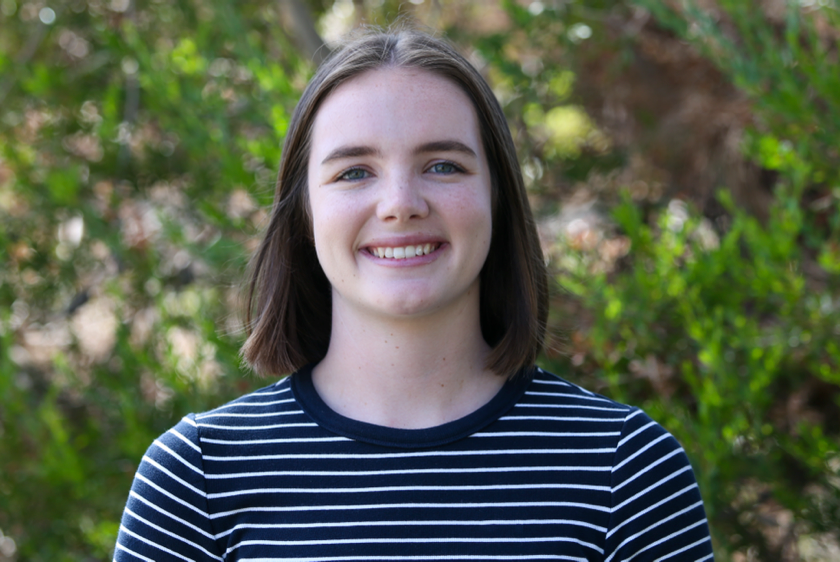
It allows for a greater number of people to enter this space and call for change, and it continues to set this precedent that youth have expertise that the sector requires.
Nothing for us, without us.
Lets create a world where for young people, by young people becomes the expectation and genuine co-design is widely adopted.
Co-design isn’t a one-off activity. It’s an ongoing commitment to listening, learning and partnering with lived experience experts. By working together, we can co-design projects that are more inclusive, responsive and grounded in real-world experiences.
Find out more about our YAB projects
Until next time,
Peace, Love & Protection