
Let’s Talk About STI Testing
Getting tested for sexually transmissible infections or STIs is one of those things everyone should be doing as part of looking after our health... and yet almost no one talks about it.
So, let's change that.
A few things to know from the start:
STI testing is a normal part of looking after your health, just like a dental check-up or a skin check.
Most STIs have no signs or symptoms, so you genuinely can't tell just by how you feel or look.
Getting tested is easy, quick, and confidential.
We're here to break down why testing matters, when to get tested, what actually happens at an appointment, where to go (including culturally safe and affirmative options), and what to do with a positive test result.
Whether this is your first test or your tenth, there's something here for you.
Why get an STI test?
Because most STIs don't come with warning signs.
You can have chlamydia, gonorrhoea, or even HIV and feel completely fine, which means the only way to know your status is to test. If left untested and untreated, some STIs can lead to bigger health problems down the track, including fertility issues.
Testing isn't a judgement on your sex life. It's just healthcare; the same as any other check-up. And it matters for everyone who's ever had oral, vaginal, or anal sex, regardless of your background, gender, sexuality, or relationship status.
When should you get an STI test?
Every 6-12 months if you're sexually active, and any time you:
Start seeing a new partner or partners
Have had any type of sex (including oral sex) without a condom or oral dam
Notice any new or unusual symptoms
Are simply due for a routine check
If you're not sure how often to get tested, a sexual health nurse or doctor can help you figure out a testing schedule based on your own sex life. If you're wondering, then that's reason enough to book in.
You can also take a 20 second quiz to see if you need a STI test here.
Where can you get tested?
STI testing is available through:
GPs (regular doctors), bulk-billing clinics, and telehealth providers
Sexual health clinics
Family Planning clinics
Aboriginal Medical Services (AMSs) and Aboriginal Community Controlled Health Services, which are built around cultural safety and often have Aboriginal Health Workers on hand
Self-testing kits
Testing is usually free if you have a Medicare card and go to a bulk-billing GP, an AMS, or a sexual health clinic. If you’re over 15 years old and are an Australia citizen or permanent resident you can get your own Medicare card to access medical centres, clinics, public hospitals, and pharmacies.
No Medicare card, or unsure of your options due to your visa or migration status? Many sexual health clinics offer free or low-cost testing regardless of your Medicare status. It's worth calling ahead and asking.
Health information is confidential and will not be shared with Centrelink or other government agencies. It will not affect employment opportunities, housing, or visas.
If keeping things private from family or your community is a worry for you, you can ask the receptionist or nurse directly: "How do you handle privacy here?" before you book in.
To find where to get tested, call the NSW Sexual Health Infolink on 1800 451 624 or visit the Play Safe website.
What happens during an STI test?
A sexual health check-up is a quick, confidential visit with a doctor or nurse. They may ask these questions to decide what kind of STI test you need:
Do you have oral, vaginal and/or anal sex?
When was the last time you had sex?
Did you use any protection during sex?
How many people have you had sex with in the last 3 months?
Do you have any symptoms?
Do you take any medications?
You only need to share what's clinically relevant. Being open with your clinician about which body parts have been involved in sex helps them test the right sites, like your throat or rectum, rather than guessing.
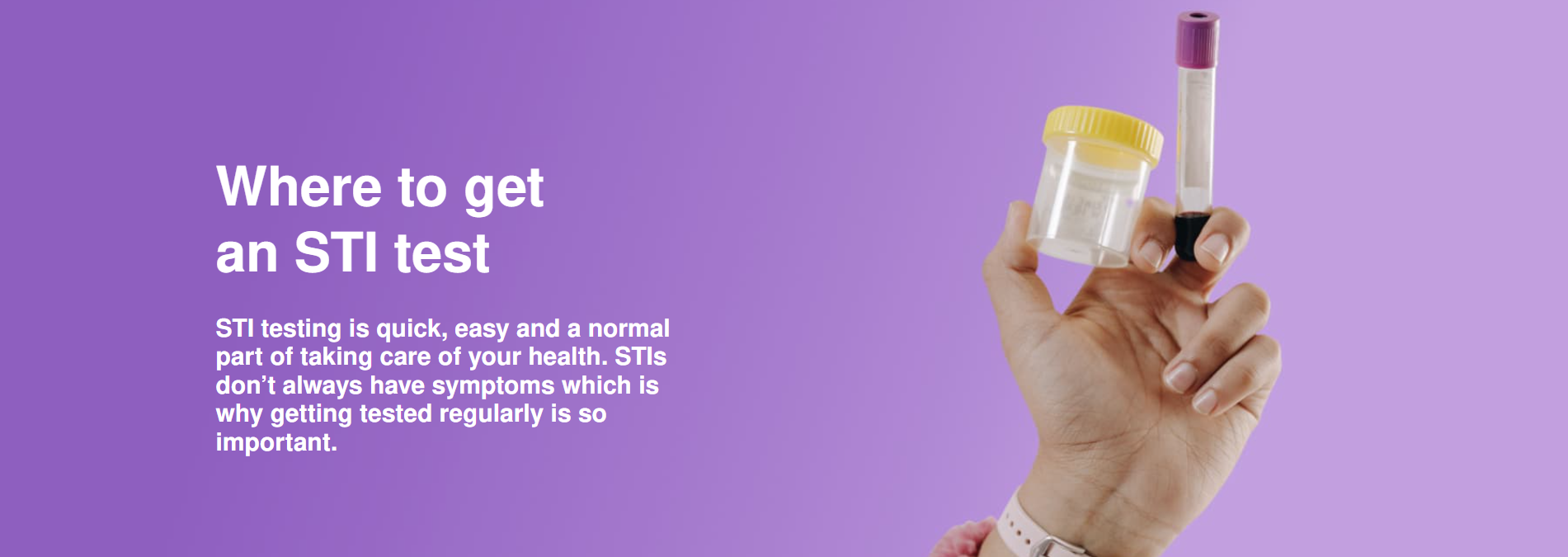
STI tests can be done by a urine sample and/or a swab(which you can do yourself in a private bathroom rather than the doctor or nurse and sometimes a blood test. It's quick, and for most STIs there's no internal exam involved.
You also have the right to a free, confidential interpreter at any Medicare-funded appointment, so language doesn't have to be a barrier, and you don't have to bring a family member along to translate if you'd rather keep the visit private. Ask the clinic to book one when you make your appointment; it's standard practice.
What to do if test results are positive?
Remain calm. A positive STI test result is nothing to be ashamed or embarrassed about. All STIs can be treated or managed.
If a positive result comes back:
Your clinician will talk you through treatment, which for most bacterial STIs is straightforward.
You'll usually be advised to let recent partners know, so they can get tested too. Some clinics can help notify partners for you, anonymously if you prefer and there are services like the Let Them Know to help.
You'll likely be asked to avoid sex until treatment is complete.
Need help interpreting the results or want extra support? Check out these free services:
Visit Family Planning Australia online for health information and resources in language.
Key things to remember
STI testing is a normal, routine part of looking after yourself.
Most STIs have no symptoms, so testing is the only way to really know your status.
It's quick, confidential, and protected by privacy laws, regardless of your migration status.
There are services built specifically to be culturally safe and inclusive.
Ready to look after yourself?
Book an STI test with a service that feels right for you, and if you're seeing someone new, make testing part of the conversation, right alongside "what are you doing this weekend?".
Normalising the ask is half the work.
As always,
Peace, Love & Protection