
Hepatitis A, B & C: It’s Time For Action
July 2026
It’s coming up to Hepatitis Awareness Week in Australia, so we thought it would be fitting to have a chat about it here on the blog.
Hepatitis is one of those health topics you’ve probably heard about but might not feel confident explaining. At Caddyshack Project, we’re all about keeping things practical and stigma-free, so here’s a quick breakdown of what hepatitis is, how it’s passed on, the latest data and how we can protect ourselves and our communities.
But first, here’s a bit of history.
Hepatitis was discovered in the 1940s, however it wasn’t until the 60s, 70s and 80s when hepatitis was identified into different strains: Hepatitis A, Hepatitis B (HBV), Hepatitis C virus (HCV), Hepatitis Delta virus, and Hepatitis E virus. The identification of these strains has been a significant milestone in medical science, leading to the development of vaccines, successful treatments and improved public health strategies.
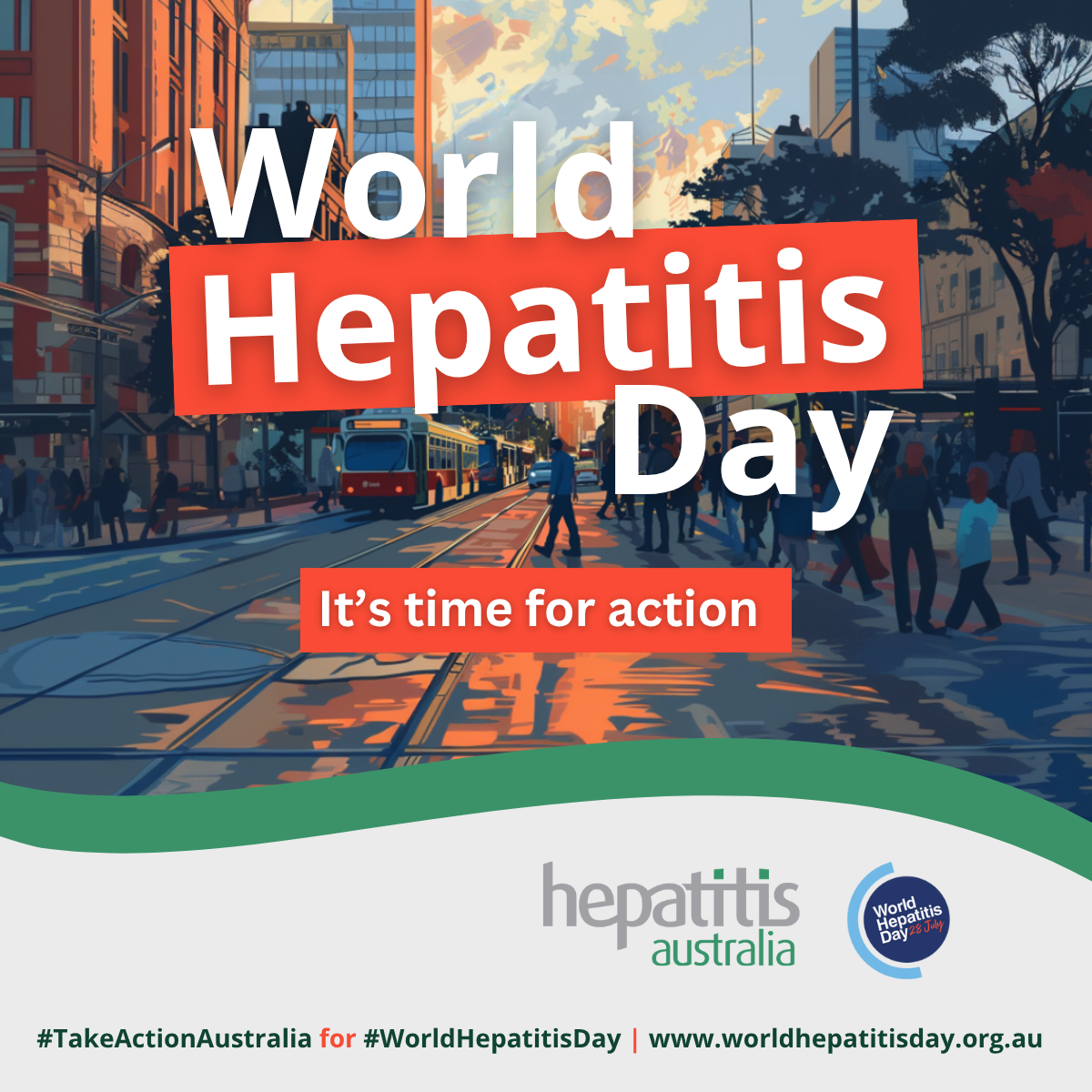
Hepatitis Awareness Week is an opportunity to raise awareness for viral hepatitis, encourage actions and engagement by individuals, partners and the public.
Hepatitis Awareness Week runs from July 26 through to August 1st with World Hepatitis Day 2026 officially on July 28, 2026.
This year, the theme for World Hepatitis Day in Australia is “Take the Next Step.” It encourages people to take the next step for their health, no matter where they are in their journey, or if they’re unsure what the next step is and want to learn more. It’s a reminder to take action towards better health, support and peace of mind.
What are the different types of heptatitis
Hepatitis simply means inflammation of the liver, most often caused by a virus. The main types you’ll hear about are Hepatitis A, B and C.
Your liver does a lot of heavy lifting, including filtering toxins, supporting digestion and keeping your body balanced. When it’s not functioning properly, it can have serious long-term impacts.
However, many people don’t have symptoms, especially early on, so people can be living with hepatitis and not even know it.
Here’s a quick breakdown:
Hepatitis A spreads through contaminated food or water. Usually short-term and people recover fully. There’s a vaccine to prevent Hep A transmission, and development if given early after exposure.
Hepatitis B is the most prevalent type that spreads through blood and bodily fluids (including through sex and from mother to baby). There’s a vaccine to prevent transmission, and antiviral treatments are also available to prevent liver damage and liver cancer.
Hepatitis C spreads through blood-to-blood contact (most commonly through sharing injecting and needle equipment). Although there is no vaccine, Hep C is now curable.
What the latest data is telling us
Recent national and NSW reports show that while progress is being made, hepatitis is still very much a public health priority.
Across Australia, around 68,890 people were living with Hepatitis C in 2023, even with effective treatments available.
More than 200,000 people are living with chronic Hepatitis B nationally.
In NSW, ongoing data reports highlight continued efforts to increase testing, expand treatment, and reduce transmission, particularly among priority populations.
The 2024 NSW monitoring reports also show a strong focus on harm reduction like improving access to sterile injecting equipment and increasing treatment uptake. This is key to reducing new infections and improving outcomes. If you want to read more check out the Kirby Institute.
Encouragingly, new Hepatitis C infections have been declining since 2016, and treatment uptake is increasing again after a slowdown. This demonstrates that elimination is achievable with the right strategies in place.
How to prevent hepatitis
We are all about prevention here at Caddyshack Project.
So here is a breakdown of methods that can prevent further spread of hepatitis:
Use sterile injecting equipment every time through the needle & syringe program
Avoid sharing needles, syringes, or other injecting equipment
Practice safer sex (particularly for Hep B)
Get vaccinated for Hep A and Hep B
Get tested regularly if you’re at risk
Reducing stigma and improving access to services are just as important. People are more likely to engage in testing and treatment when they feel safe and supported.
Ways to get involved
The #HEPCURED campaign is currently touring across NSW, spreading the message that Hep C is not only treatable, but curable.
Modern treatments now cure over 95% of people, and the experience is extremely improved from older therapies that often left people feeling unwell.
These days, treatment is simple: just 8–12 weeks of tablets, no injections, and minimal disruption to everyday life.
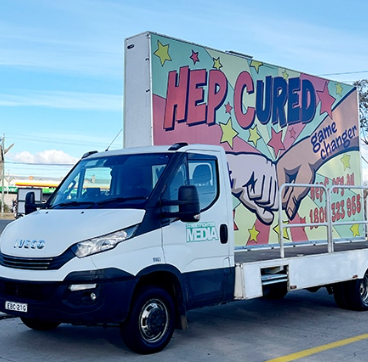
#HEPCURED is promoting the message that curing hep C has never been more effective. The new treatment is a game changer.
We also know that access to the right information and services matters.
The Multicultural HIV and Hepatitis Service (MHAHS)
MHAHS offers a range of translated resources, practical toolkits, and educational videos designed to support people from diverse communities. This is really important for migrants or newly arrived people from countries where hepatitis viruses are prevalent and vaccines and/or treatments are not freely available.

Hepatitis NSW
Getting tested is confidential and easily done through a general practitioner, Hepatitis NSW liver clinics, or a sexual health clinic.
Hepatitis NSW has a local services directory to find hepatitis services near you for testing and treatment.
The takeaway is simple
Get tested, know that treatment is available and highly effective, and remember that there are supportive services ready to help you every step of the way.
Peace, Love & Protection